
The Missouri primary is Aug. 4, 2026, and The Beacon is here to help you feel prepared as you head to the polls.
Key dates leading up to the 2026 Missouri primary ⬇️
- June 23: In-person absentee voting began. You can vote with an excuse.
- July 8: Voter registration deadline. Need to check your voter registration status? You can do that here.
- July 21: No-excuse, in-person absentee voting begins with photo ID at satellite poll locations.
- July 22: Last day to request an absentee ballot by mail.
- Aug. 4: Primary election day. Polling places open at 6 a.m. and remain open until 7 p.m. Remember if you are in line at 7 p.m. you are allowed to vote.
Acceptable forms of voter ID in Missouri ⬇️
- To vote in Missouri you must bring a valid form of identification. Below are ID types that meet those qualifications from the Missouri secretary of state’s website:
- Another photo ID issued by the United States or the state of Missouri which is current or has expired after the date of the most recent general election.
- An unexpired Missouri driver or nondriver license.
- An unexpired military ID, including a veteran’s ID card.
- An unexpired United States passport.
Election coverage is critical to our community and, as a nonprofit newsroom, is possible through readers like you. Can you support this coverage?
The Beacon has put together several election stories and guides to help you stay informed at the polls.
Kansas City metro primary election coverage
The main local races we’re covering in the upcoming primary are the elections for the Jackson County government and Kansas City ballot questions.
The Jackson County Legislature and the county executive are on the ballot every four years, so the last election was in 2022. But what makes this year significant is that most of the county legislature, as well as the county executive, are going to be replaced. Only three incumbents, out of 10 positions, are seeking to retain their positions.
After former County Executive Frank White Jr. was recalled in 2025, the legislature appointed Phil LeVota to finish his term. But LeVota is not running for reelection, leaving a wide-open race with seven candidates vying to replace him. That race includes six Democrats, whom you can read about here, and one Republican.


Out of the nine-member county legislature, only three legislators are running for reelection this year. That means that at least six out of nine seats will be filled with fresh faces in the next term.
There are six competitive primaries for the county legislature, including the following races:
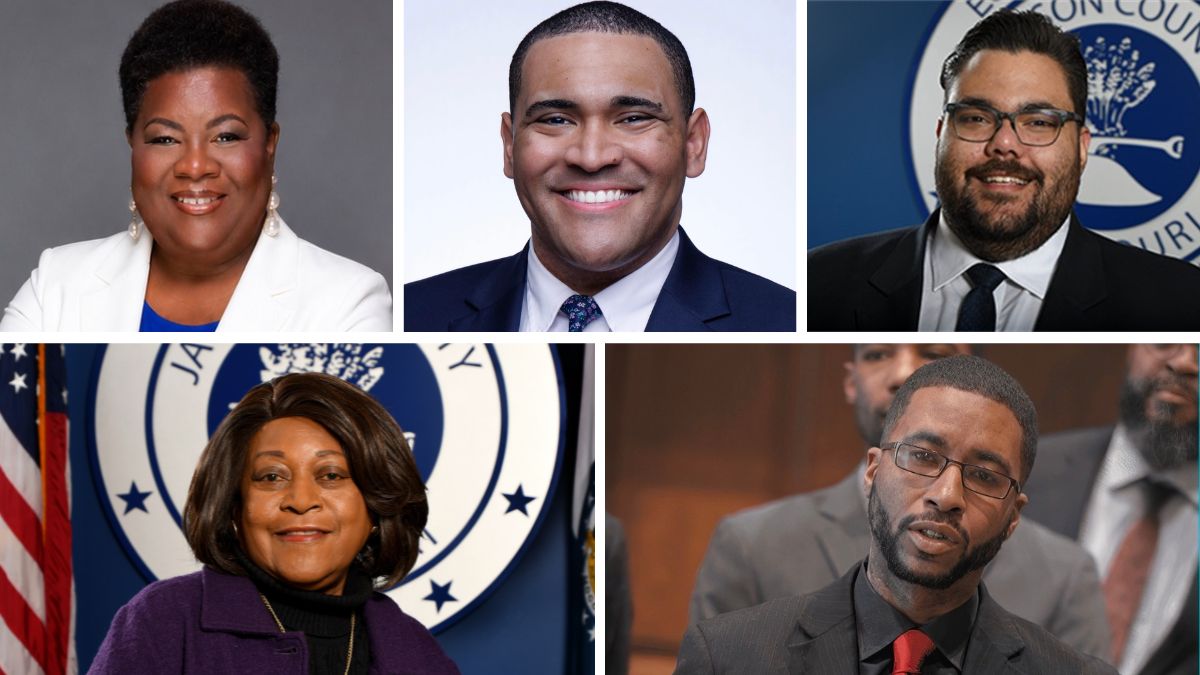
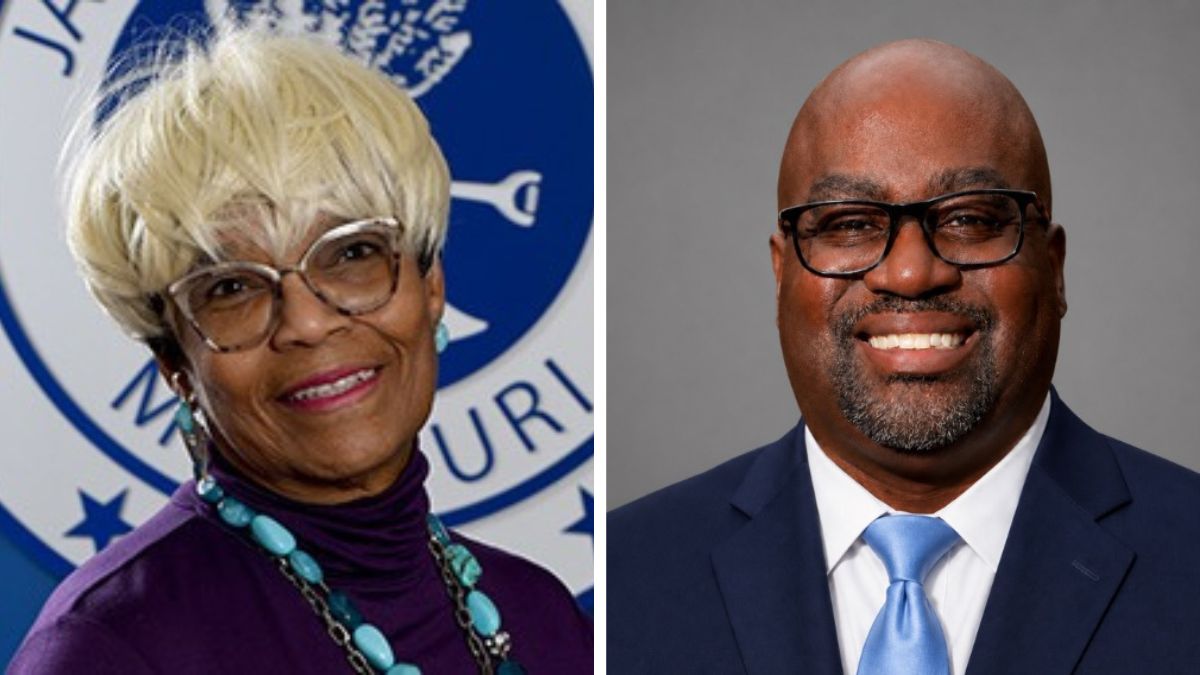


Note: No Republicans filed in the 2nd District, so the winner of that Democratic primary is guaranteed to win the general election.
All Jackson County voters can cast ballots in the at-large races. To see which district you live in for the in-district elections, click here.
Kansas City, Missouri, voters will also vote on several bond issues that would fund water and sewer infrastructure, affordable housing and building repairs, as well as a sales tax to fund economic development in the “Central City” area.
Read more about Kansas City questions:



Missouri primary election coverage
It’s going to be a busy primary season for a midterm election year. Missourians will see four state constitutional amendment questions on the August ballot. The first one involves renewing the state’s 0.1% sales tax that funds state parks and historic and water and soil conservation, and the second would make the county assessor an elected official for all counties. Jackson County is the only one that doesn’t.
But the ballot issues that we’re following most closely are Amendments 4 and 5.
Amendment 4 asks voters to approve changes to the initiative petition process that would make it harder for citizen-led petitions to pass. Currently, petitions need a simple statewide majority to pass. Amendment 4 would change the process to require citizen-led petitions to win a majority of votes in each of Missouri’s eight congressional districts. As few as 5% of voters could cause a measure to fail. The change would not apply to measures the General Assembly places on the ballot for voter approval.
Amendment 5, if passed, would direct lawmakers to enact additional legislation to phase out the state’s income tax and give the General Assembly the authority to raise state sales tax rates and broaden the amount of goods and services subject to sales tax without additional voter approval for five years. (Currently, the Hancock Amendment requires that sales tax increases go before voters.) If local governments receive increased revenue as a result of the changes, they will have to reduce local sales and use, property or earning taxes. However, it cannot hurt school funding, which is primarily supported by property taxes.
For more info on each of the ballot measures, read our election guide here.

Make sure to check The Beacon’s further coverage of impacts of eliminating the income tax:
- ‘An odd duck’: The economics of Missouri’s income tax elimination proposal
- As Missouri weighs eliminating income tax, higher sales tax could leave seniors with less wiggle room
- ‘I’m looking at possibly losing our house.’ Some low-income workers fear Missouri income tax elimination’s impacts
- Missouri’s drive to eliminate income tax leaves KC-area officials with more questions than answers
- Breaking down the claims in Amendment 5 ads
- Supporters say Amendment 5 won’t harm education funding. Schools aren’t so sure
Plus, we’ll be monitoring what happens after the polls close. That stems from the “Missouri First” map that the General Assembly passed during a special session in September 2025. It splits Kansas City across three congressional districts and is likely to make U.S. Rep. Emanuel Cleaver’s seat a more competitive race. A citizen-led initiative petition submitted signatures to put the map up for a vote in November, which if validated, would prohibit the Missouri First map from being used for the August primaries. But Republican Secretary of State Denny Hoskins has not yet validated the signatures, meaning the Missouri First map is still in effect. The last day to certify the signatures is Aug. 4, the same day as the primaries.
ELECTION COVERAGE


Something went wrong. Please refresh the page and/or try again.