


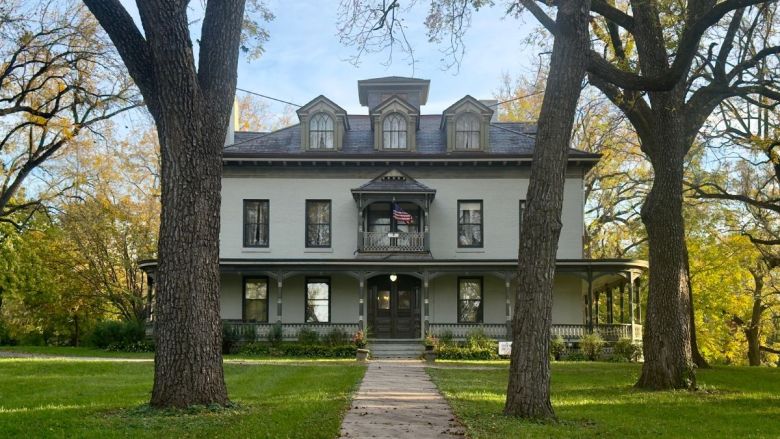
Independence asked voters last year for help restoring historic buildings. By a narrow margin, the measure failed.
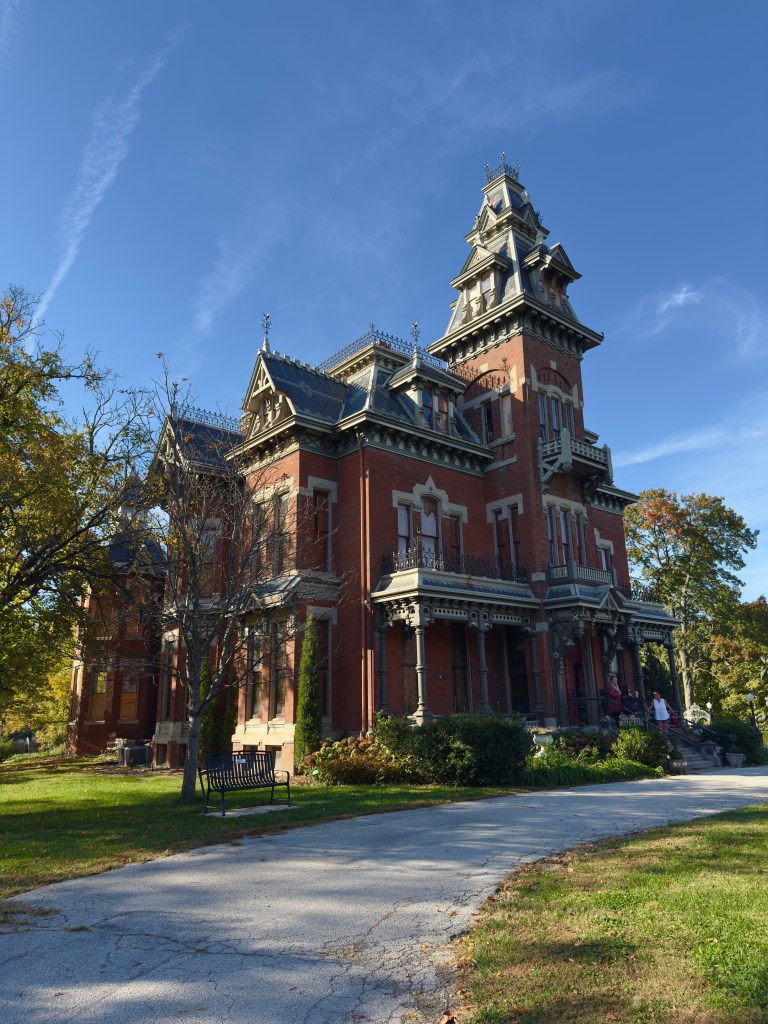
Then, the city announced it was considering selling the historic Vaile Mansion and other properties that were getting too costly to maintain. Residents were outraged.
Now, the city’s asking voters one more time if they’d like to put tax money toward those buildings’ upkeep.
Independence City Council wants voters’ permission to take out a $20 million loan, to be repaid with property taxes, for important repairs at five historic sites owned by City Hall.
If the question fails, that would leave the city with few other options than to offload those historic sites to private owners or a nonprofit conservancy.
“Historical sites are extremely important to the city, and they need to stay with the city,” Mayor Kevin King said at an Aug. 17 City Council meeting. “I appreciate everybody’s work. And hopefully, with this going on the November ballot, we hope that we can get this passed and protect our historical sites.”
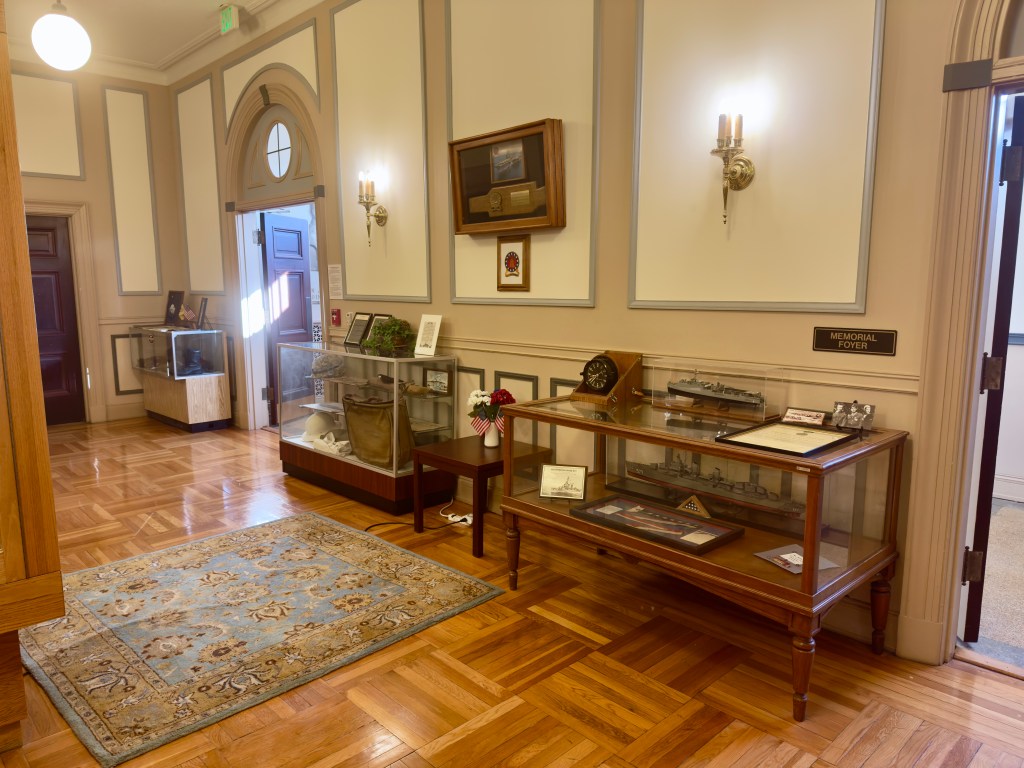
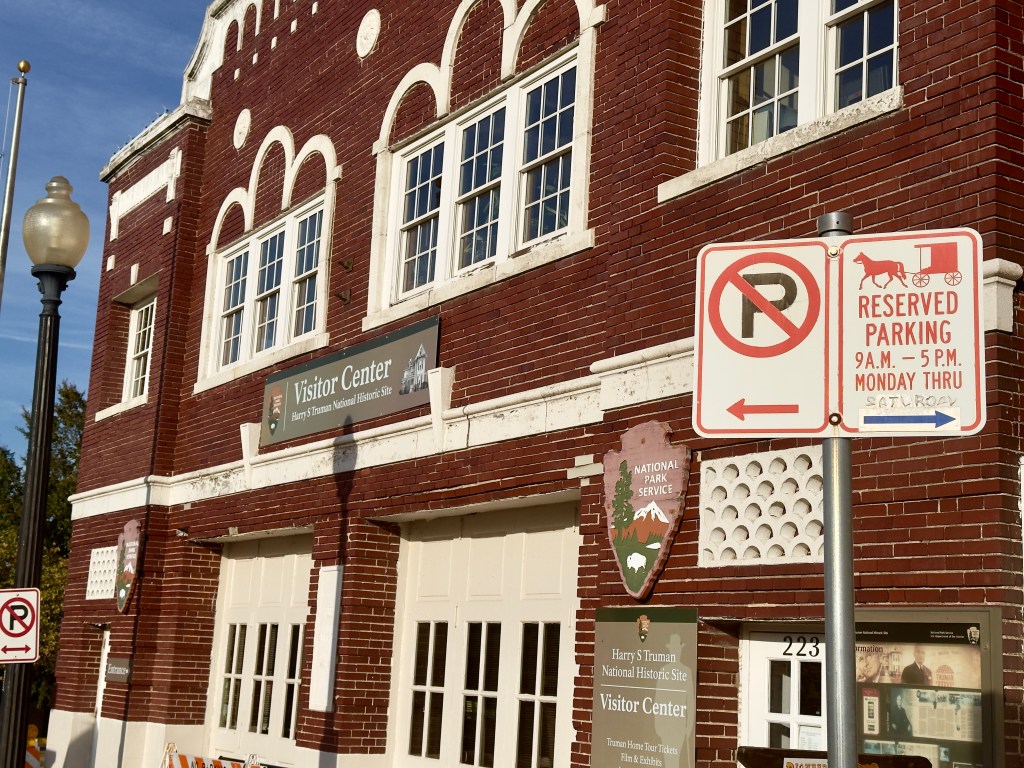
The money would go toward overdue improvements and renovations at the Bingham-Waggoner Estate, the Vaile Mansion, the Truman Memorial Building, the Old Fire Station 1 and the 1827 Log Courthouse.
But what would passing it mean for your property tax bill? How is it different from last year’s question? And will Independence residents get any benefit?
Here’s a roundup of answers to common questions about this year’s historic-buildings bond question in Independence.
Click on a link to jump to a question:
- What exactly will I see on the ballot?
- What does it mean for the city to issue general obligation bonds?
- What does a “yes” vote do?
- What does a “no” vote do?
- Will a “yes” vote increase my taxes?
- How is this different from last year’s historic-buildings bond question?
- What happens if it fails?
- Do Independence taxpayers get any benefit?
What exactly will I see on the ballot?
The exact language of Question 1 is as follows:
Shall the City of Independence, Missouri issue its general obligation bonds in the amount of $19,900,000 for the purpose of renovating, improving and equipping historic buildings, facilities and grounds, and for the creation of a 20-year business plan for historic buildings, with priority given to the Bingham-Waggoner Estate, the Vaile Mansion, the Truman Memorial Building, the Old Fire Station One, and the 1827 Log Courthouse?
What does it mean for the city to issue general obligation bonds?
Bonds are a special kind of loan that governments can use to fund expensive projects.
If Independence is issuing $20 million in bonds, that means that they are borrowing $20 million from investors. You might hear those investors referred to as “bond purchasers.”
The city can issue a few different types of bonds.
Not all of them are paid back with tax dollars — for example, the bonds for Kansas City’s new airport are largely being repaid with concessions revenue and airline fees.
In this case, Independence plans to use general obligation bonds, also called GO bonds. That kind of debt is repaid using a property tax increase.
That’s why Independence needs your permission before it can borrow this money. The city plans to use a small increase in the property tax rate to pay back the debt, and it cannot do that without the approval of four-sevenths of voters, or roughly 57%.
(More on that tax increase later.)
What does a ‘yes’ vote do?
A “yes” vote would give Independence permission to borrow $19.9 million to perform necessary repairs on its city-owned historic buildings.
Those buildings include the Bingham-Waggoner Estate, the Vaile Mansion, the Truman Memorial Building, the Old Fire Station 1 and the 1827 Log Courthouse.
Independence estimates that the repairs will cost a total of $15.6 million, and the other $4.3 million would be used to pay for interest, borrowing costs and a contingency fund.
It would also spend a small portion of that money developing a business plan for the buildings so that they can start to generate their own income and rely less on city taxpayers.
The debt would be paid off after 20 years.
What does a ‘no’ vote do?
A “no” vote would leave those repairs unfunded and would prevent the tax increase.
In that case, the city would need to find a new solution for the repairs. That could mean eating into the city’s general fund, at the expense of public services, or offloading the properties to private owners.
Will a ‘yes’ vote increase my taxes?
Yes — your property taxes, but not your income or sales taxes.
The city estimates that the property tax increase would cost property owners $17.71 for every $100,000 of their home’s property value.
For the average home value in Independence, that equates to roughly $30 per year.
How is this different from last year’s historic-buildings bond question?
A similar bond measure appeared on the ballot in 2025 to fund repairs at historic buildings, but it narrowly failed. It earned a 55% “yes” vote but needed 57%.
This question is different in three important ways.
For one, the 2025 question included $5 million for renovations at the Independence Athletic Complex. That’s not part of this year’s question.
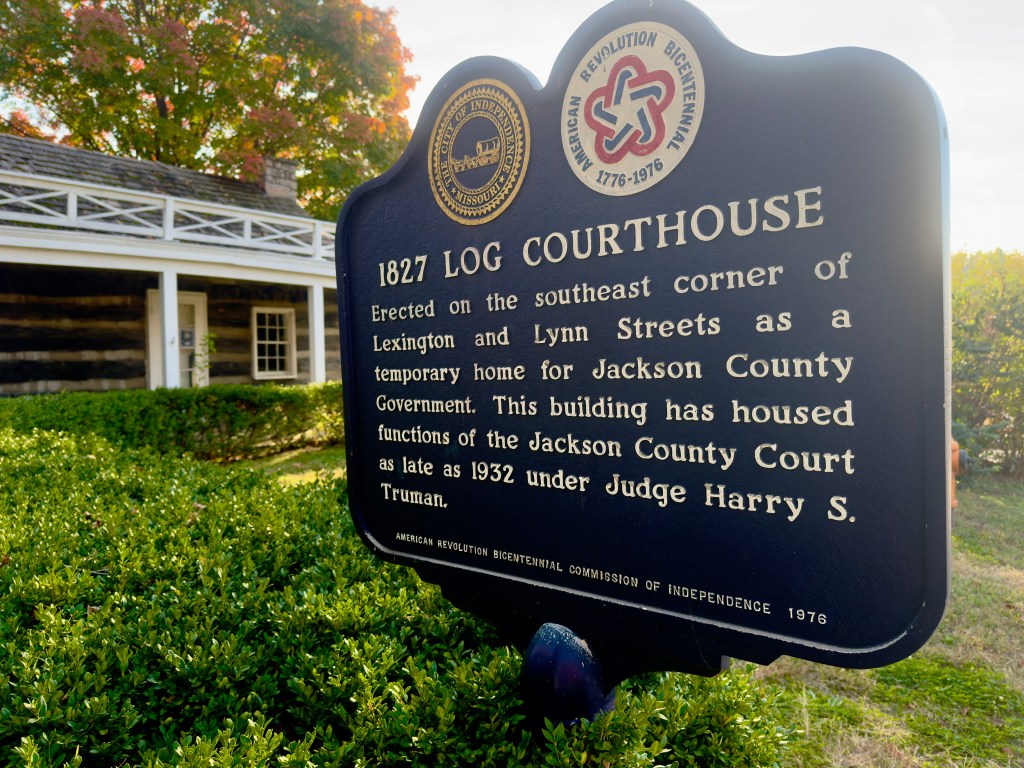
Second, this year’s question includes repairs for two additional buildings: the Old Fire Station 1 and the 1827 Log Courthouse.
And finally, this year’s question is asking for more money than the 2025 question. In 2025, the city was asking for $12 million — $7 million for three historic buildings and $5 million for the athletic complex.
This year, the city is asking for $20 million instead of $12 million to fund repairs at two extra buildings, minus the athletic complex.
What happens if it fails?
Independence would likely need to offload these properties to private owners or a nonprofit conservancy.
After the 2025 vote failed, the city nearly decided to do just that before opting to give general obligation bonds a second try.
If it doesn’t offload the properties, the city would likely have to find money in its general fund to complete much-needed repairs.
And if the city doesn’t pay for repairs and declines to offload the properties, there’s a risk that maintenance issues could continue to snowball into property emergencies down the line.
At the end of that road, if the maintenance problems continue to be unaddressed, the buildings could become dangerous and eventually need to be demolished.
Do Independence taxpayers get any benefit?
As long as taxpayers are supporting the repairs for the next 20 years, Independence residents would be guaranteed free admission to all five buildings.

