
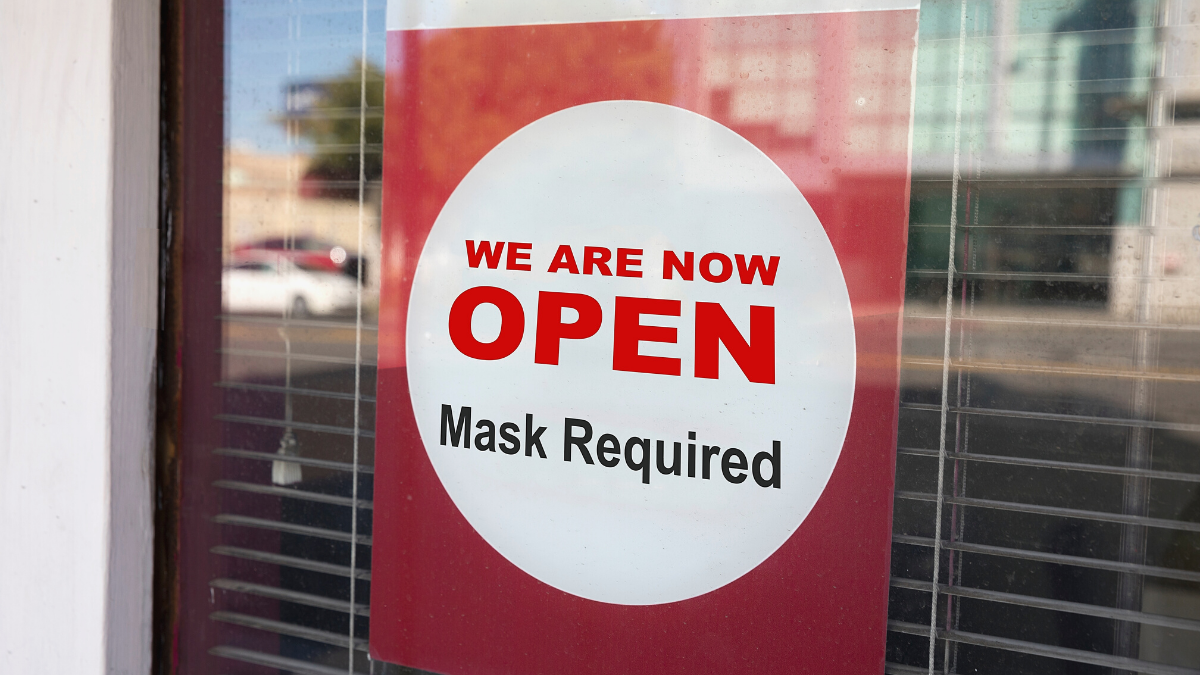


According to records requested by The Beacon, the city of Kansas City, Missouri, has received over 3,000 complaints about businesses failing to comply with the city’s COVID-19 health orders since March.
Health
Posted inHealth
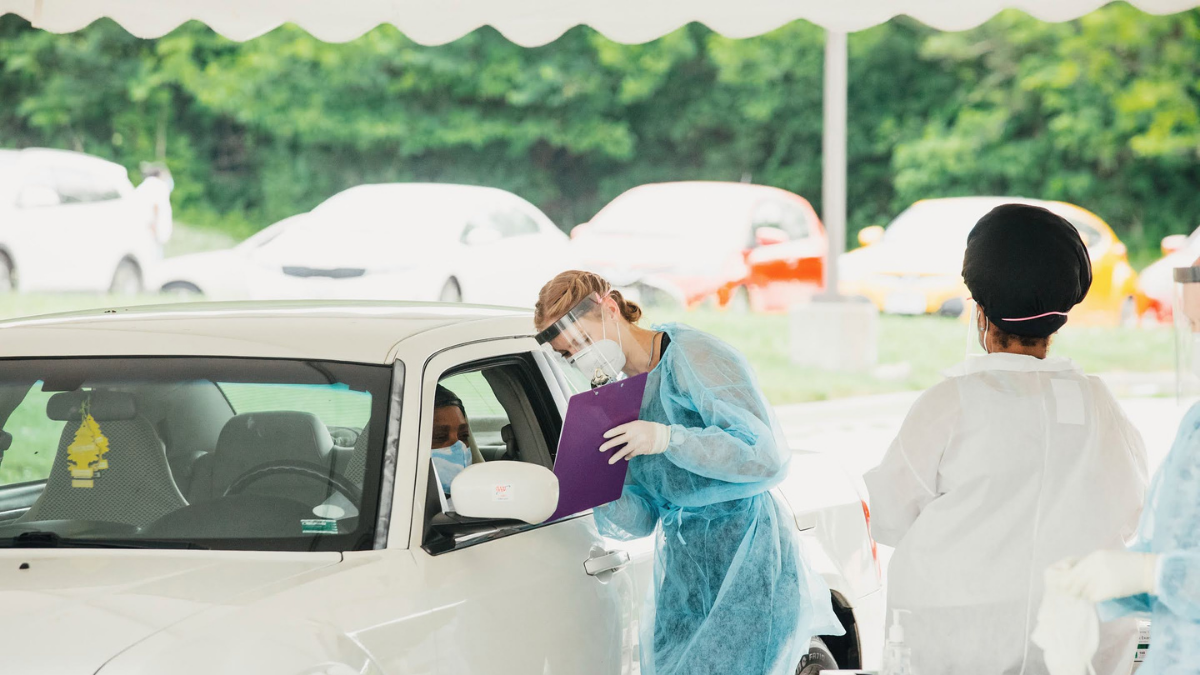
How Kansas City metro COVID-19 restrictions compare to each other
With rapidly rising COVID-19 cases and a shortage of staffed hospital beds, most of the Kansas City metro is tightening COVID-19 restrictions.
Posted inEconomics, Health
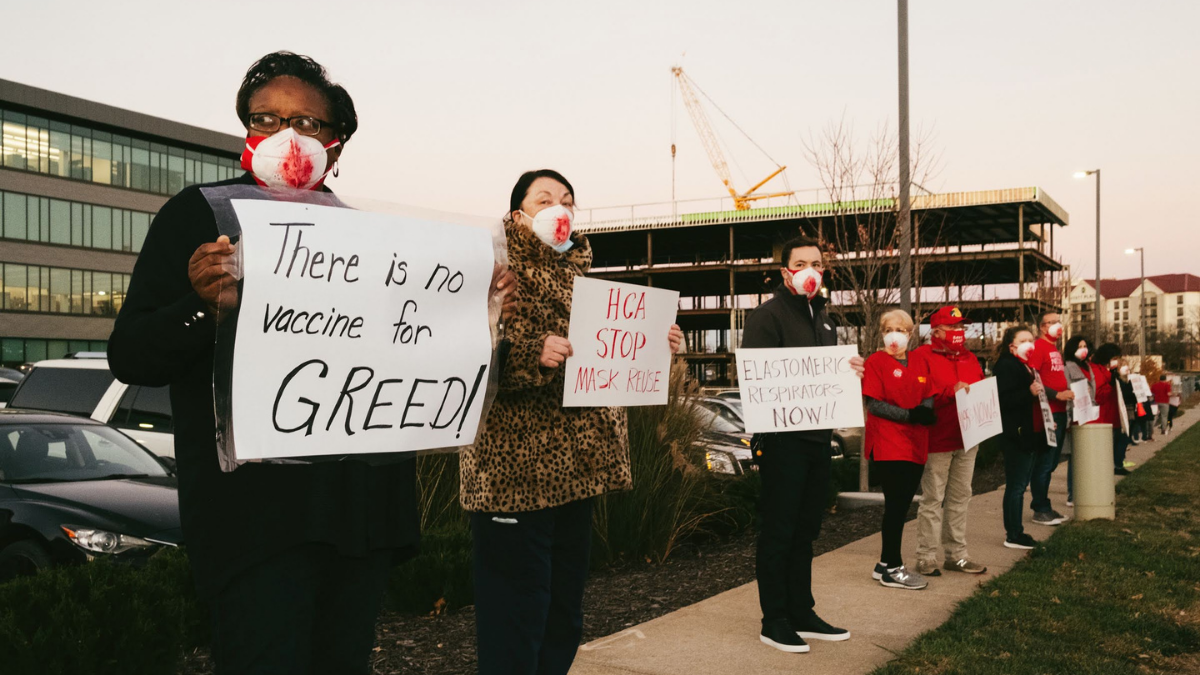
Feeling a lack of protections against COVID-19, workers file complaints with OSHA

At a time when going to work carries possible exposure to a contagious, novel virus — and when many COVID-19 outbreaks have been linked to workplaces themselves — the complaints provide a window into the risks facing workers.
Posted inHealth
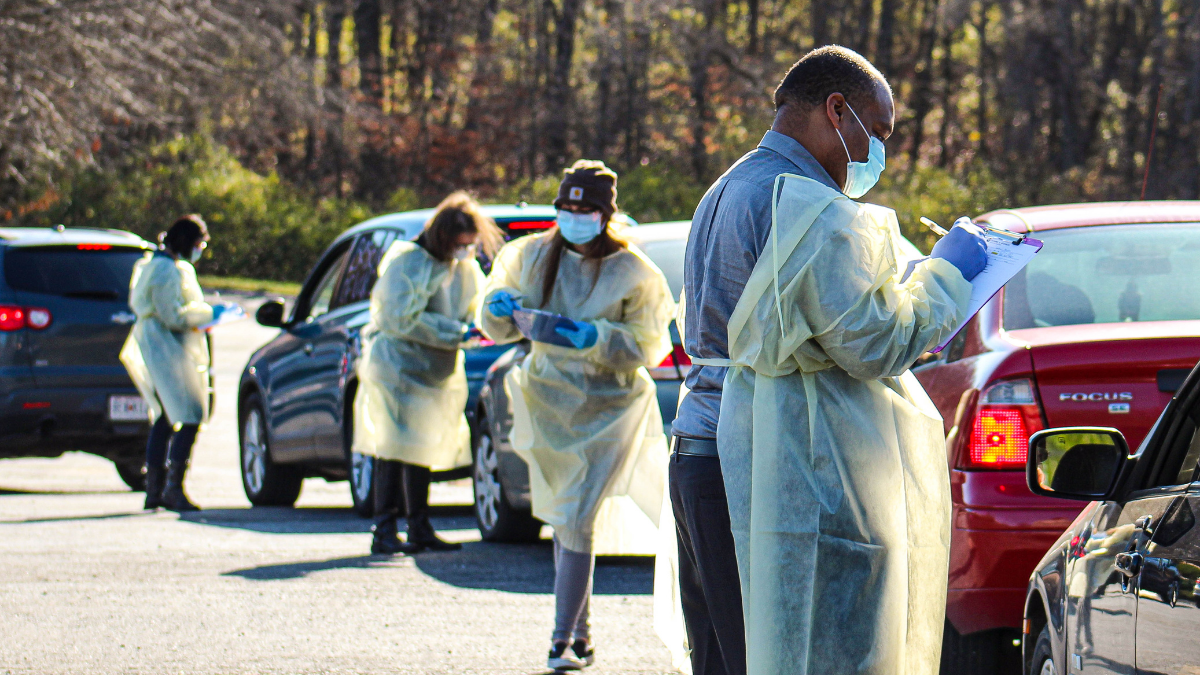
The COVID-19 positivity test rate is up. More Kansas Citians should get tested, officials say
Despite an increase in COVID-19 cases, hospitalizations and deaths in the Kansas City area over the last few weeks, officials say fewer people are using free community testing sites run by health departments. “It’s definitely concerning,” Frank Thompson, deputy director of the Kansas City, Missouri, Health Department, said of the decrease in people getting tested. […]

Posted inHealth
Older adults in Kansas City are facing increased anxiety, depression during the pandemic
Local organizations that serve seniors are trying to adapt.
Posted inEducation, Health
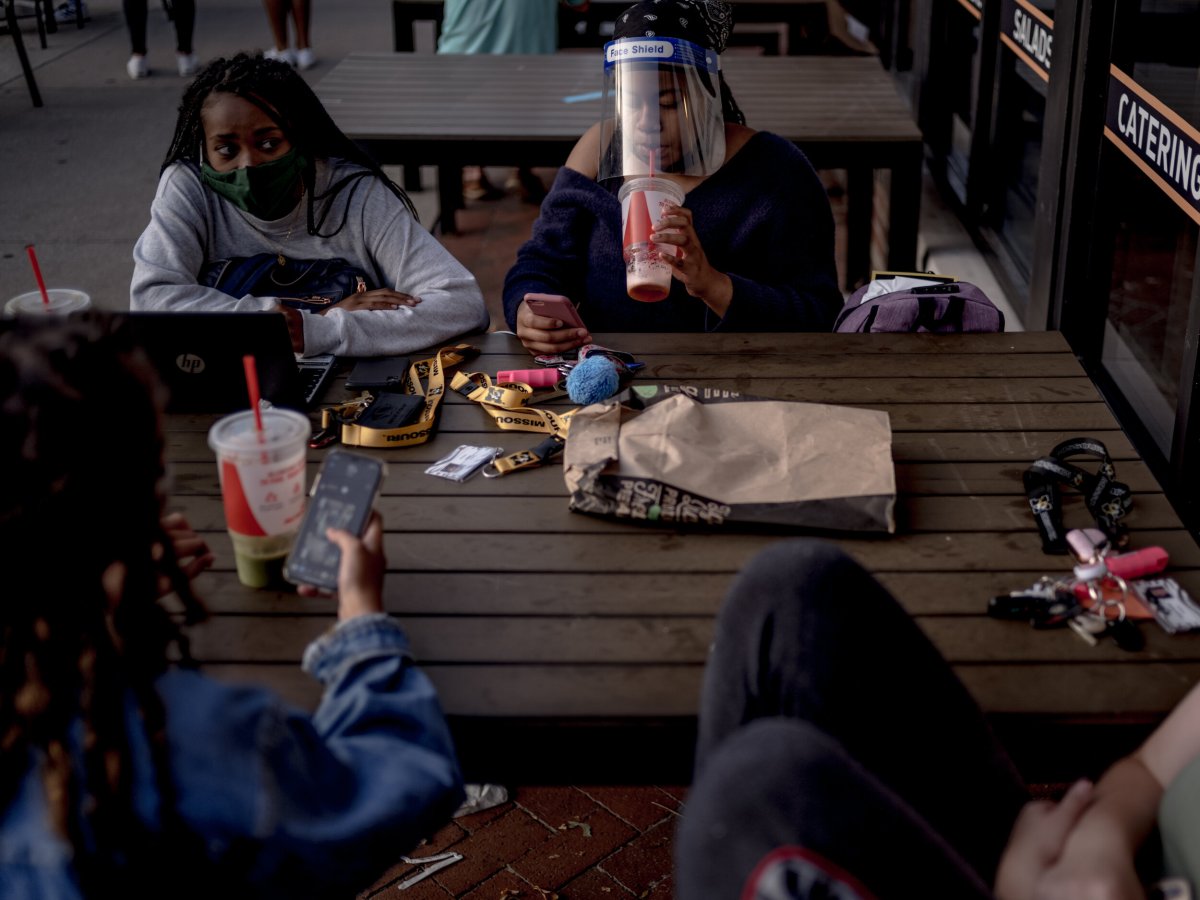
‘Community members are concerned’: COVID-19 cases return to college towns along with students
With the fall semester in full swing, colleges in Kansas and Missouri are scrambling to handle case spikes on their campuses.
Posted inHealth
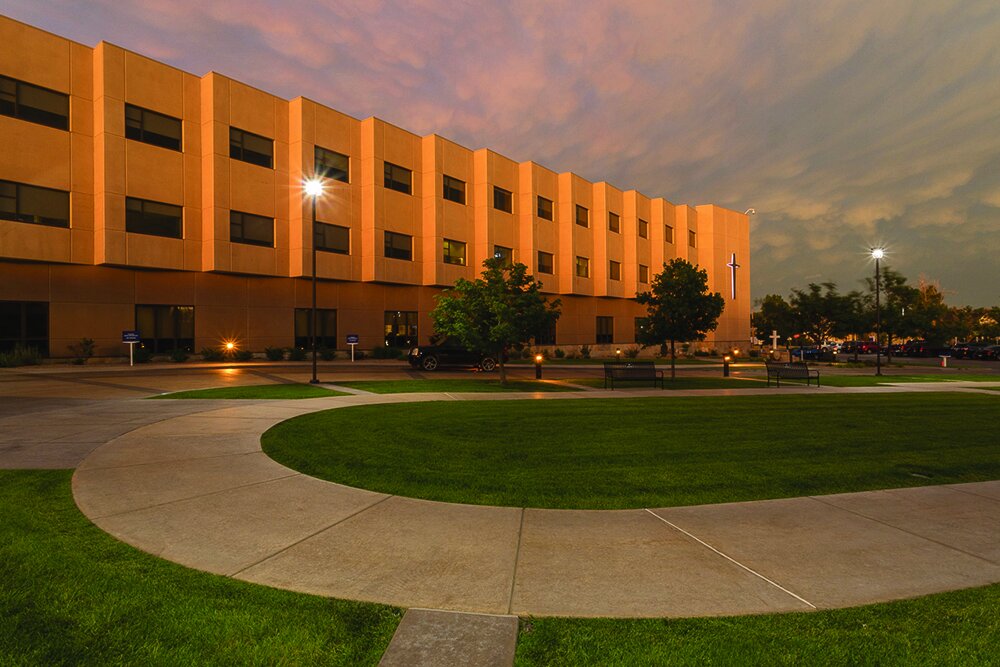
Rural Kansas and Missouri face unique challenges with COVID-19

COVID-19 has spread to rural counties in Kansas and Missouri, leading to spikes in cases that weren’t seen in the earliest stages of the pandemic. A combination of factors — population size and distribution, the presence of meatpacking facilities, and COVID-19 outreach programs — is affecting how these areas are responding to the virus. Many high-risk neighborhoods are also more likely to be low-income, immigrant communities, many of whom work in rural Kansas and Missouri meatpacking plants.

Posted inHealth
In Kansas City, the Latinx community faces extra challenges with COVID-19
In Kansas, Latinx people contract COVID-19 at a rate 5.7 times that of non-Hispanic residents for cases in which ethnicity was reported — 22.9% of cases are missing ethnicity data. Latinx people accounted for almost half of COVID-19 cases in Wyandotte County, where 29.8% of the population is Latinx, for cases where ethnicity data is known. Latinx people also face greater disparities in accessing testing.

Posted inHealth
‘We’ve seen this trend before’: The deadly disparities of COVID-19 for Kansas City’s Black community
COVID-19 is shining a light on health disparities that the Black community faces, but it isn’t the first disease to do so. In addition to higher rates of COVID-19, Black people in the Kansas City area have access to fewer permanent testing sites than the white population. The health disparities behind increased cases of COVID-19 among the Black community in Kansas City can be traced to several factors.
Posted inHealth
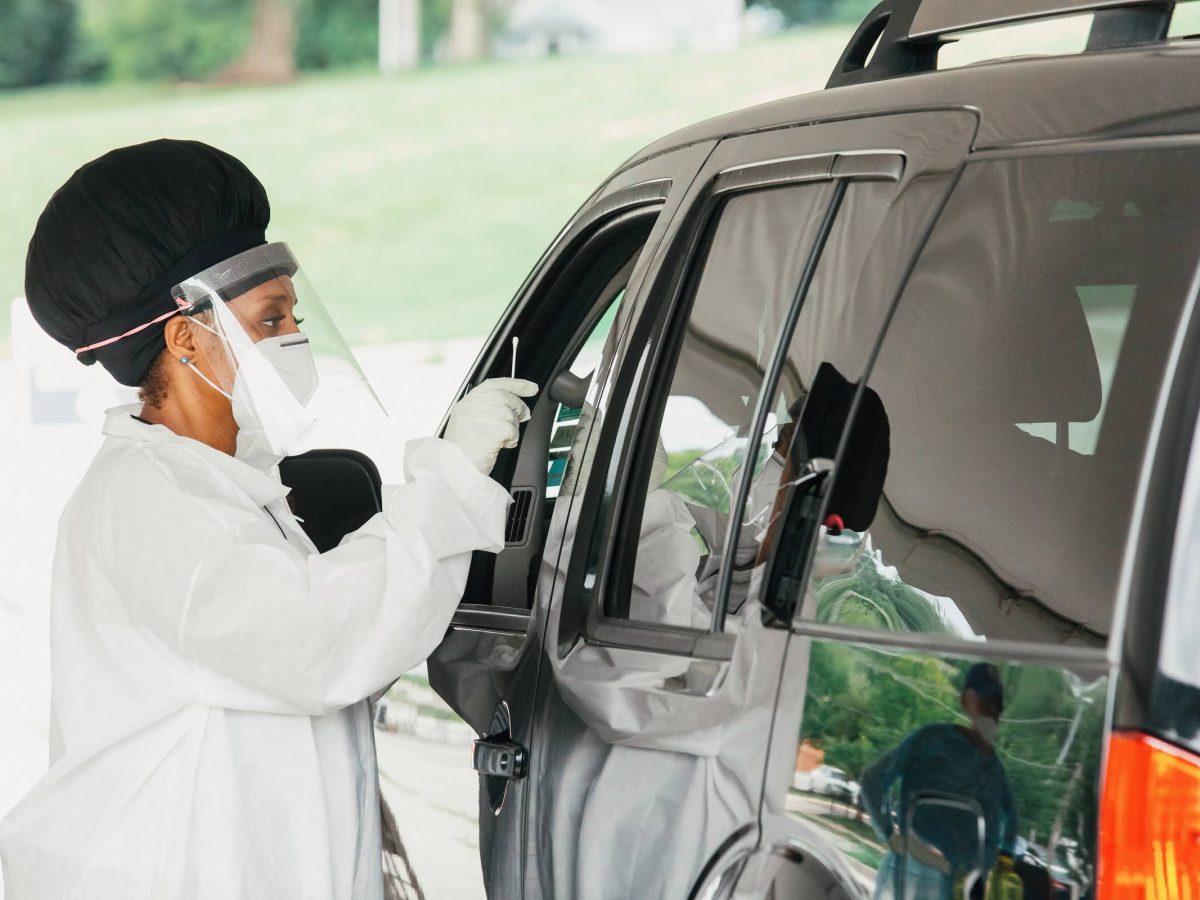
In testing for COVID-19, Black and Hispanic people in Kansas and Missouri have fewer options
In Kansas City — and similarly across the U.S. — racial and ethnic minorities face worse outcomes and greater disparities when it comes to catching, surviving and being tested for COVID-19. In both Missouri and Kansas, Black people are contracting COVID-19 at rates higher than their share of the state population. On both sides of the state line, Black people are dying at a rate over two times their population share.