If Wyandotte County were required to pay a utility bill for its public facilities, it’s likely Parkwood Pool would’ve closed years ago. (Luckily, its deal with the Board of Public Utilities means that’s not the case.)
Constant upkeep on the public pool, including daily adjustments on its chemical levels, patching up fractured seams with hydraulic cement and extreme water loss due to inefficiencies keeps a small parks department maintenance team on the move during its busy season.
“We’re losing hundreds of gallons of water a day,” Angel Ferrera, director of Parks and Recreation at the Unified Government of Wyandotte County and Kansas City, Kansas, told The Beacon.
The pool, more than 50 years old, was built at a time when discriminatory practices kept many of the city’s Black residents from using other pools scattered throughout Kansas City, Kansas, Ferrera said.
Now, it’s the only free, public pool left in the entire city. And after decades of repairs, the local government believes replacing the pool altogether is the strongest option to ensure its future.
“We’re afraid that there will come a summer where it’ll be something catastrophic that just completely closes it down for the season,” Ferrera said.
But securing that future comes at a cost.
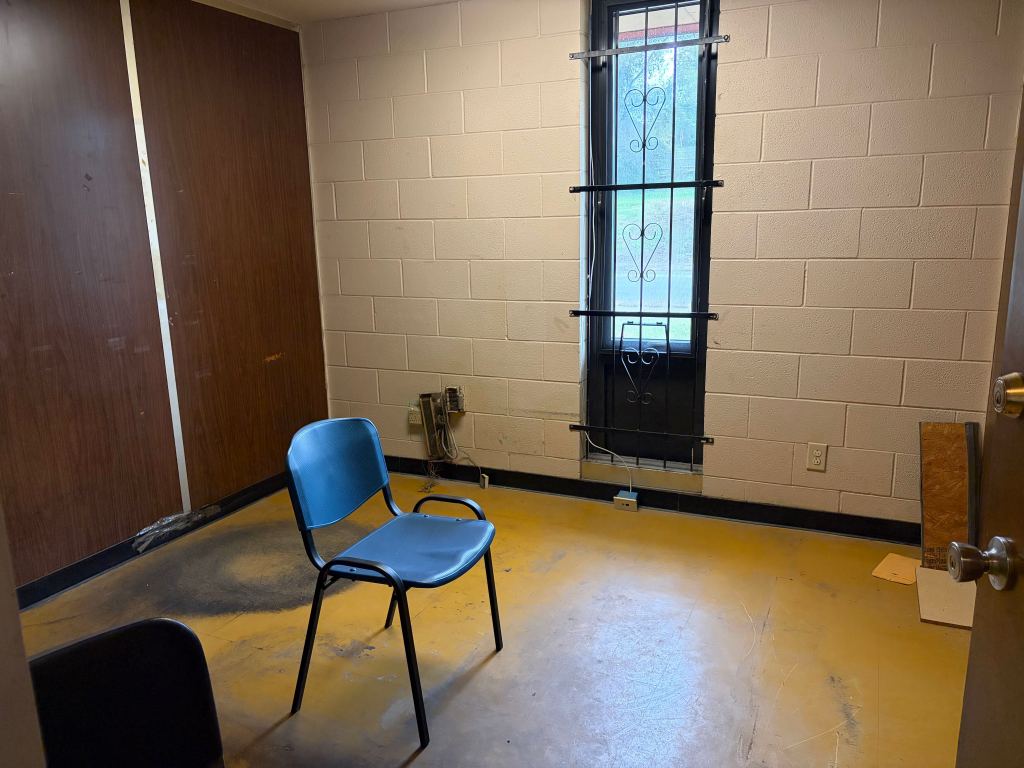
To replace the pool within its own footprint, meaning exactly where it is now, would cost the local government between $5 million and $6 million. On top of that, getting its respective community center — riddled with water damage, wiring issues and lacking accessibility — back into usable shape could cost more than $300,000.
A citywide sales tax item on the upcoming Nov. 3 ballot could determine whether city plans to increase investment in KCK’s public parks, including replacing Parkwood Pool, can move forward.
The Unified Government is asking voters to consider a 3/8-cent tax that would bring roughly $8 million annually toward city parks projects and an additional $8 million toward infrastructure like roads and sidewalks. Compared to historic funding of KCK’s parks, or lack thereof, that money would be “transformational” for the parks department’s ability to improve its public services, Ferrera said.
Pools aren’t just a summertime hangout place, she said. For some people, they serve as the only way to cool off during serious heat waves or where they learn to swim in a city with limited free pool access and poor public transportation.
“Parkwood Pool has always been a sensitive conversation and topic but we can no longer sit back and just let it be, because at some point it will reach its end of life,” she said. “And if we do care that much about it, we have to preserve it in some way, shape or form.”
Transforming a neighborhood
In nearly a decade of service to Wyandotte County’s parks system, Ferrera has witnessed how investment in public recreation can pay off in communities that have long felt neglected.
Just take northeast KCK for example.
Ferrera said she’s seen how new pickleball courts at Klamm Park, which residents once rolled their eyes at, were busy on summer evenings this year.
She saw how improving neighboring Boston Daniels Park, located a few blocks away along Quindaro Boulevard, reduced the amount of vandalism happening on that corner. And how people take advantage of resources they can walk to.
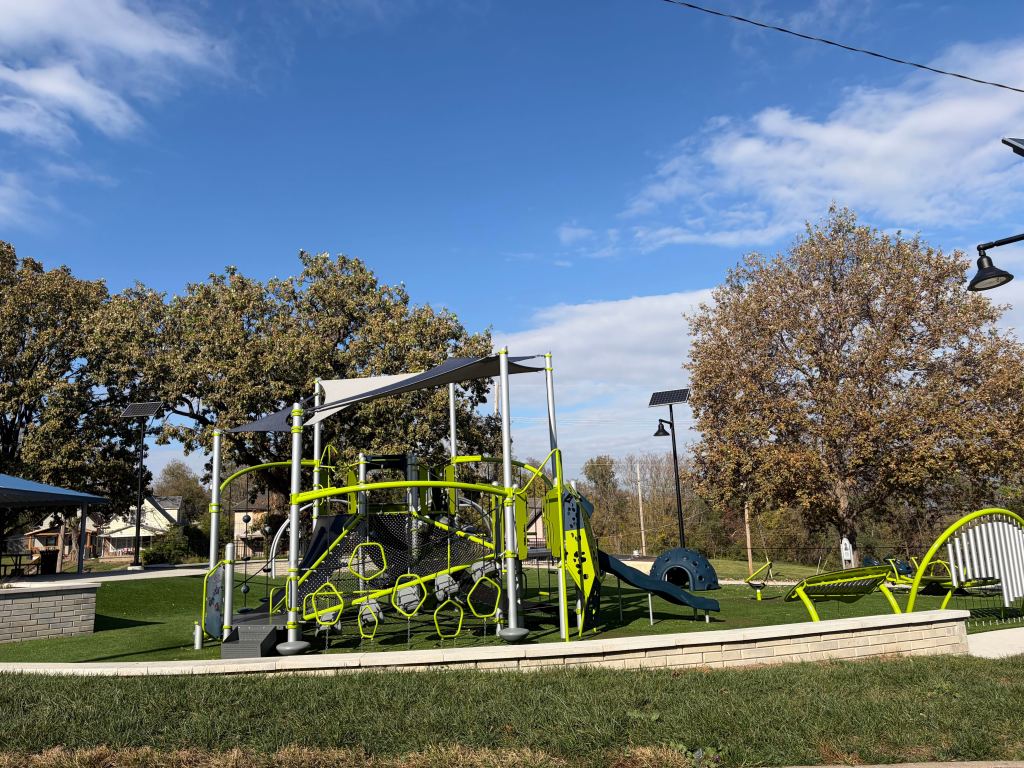
Sherrie Cade, who lives near Boston Daniels Park, worked with the Boston Daniels Corp, a nonprofit that helped revamp the city park honoring KCK’s first Black police chief.
That $1 million redevelopment, featuring a brand new playground, reached completion in 2025.
When the nonprofit first started partnering with the Unified Government to improve the park, which had fallen into disrepair before its renovation, it signaled a shift in KCK’s northeast, Cade said. In her view, that project served as a catalyst for increased development in the area, and more projects are in the works through the Quindaro Peace and Arts District initiative.
“It has changed the mindset of everyone involved,” Cade told The Beacon.
She didn’t always know how many children lived in the area, because she never saw them outside. Now, Cade often sees kids playing at or walking around Boston Daniels Park.
What new parks tax could help with
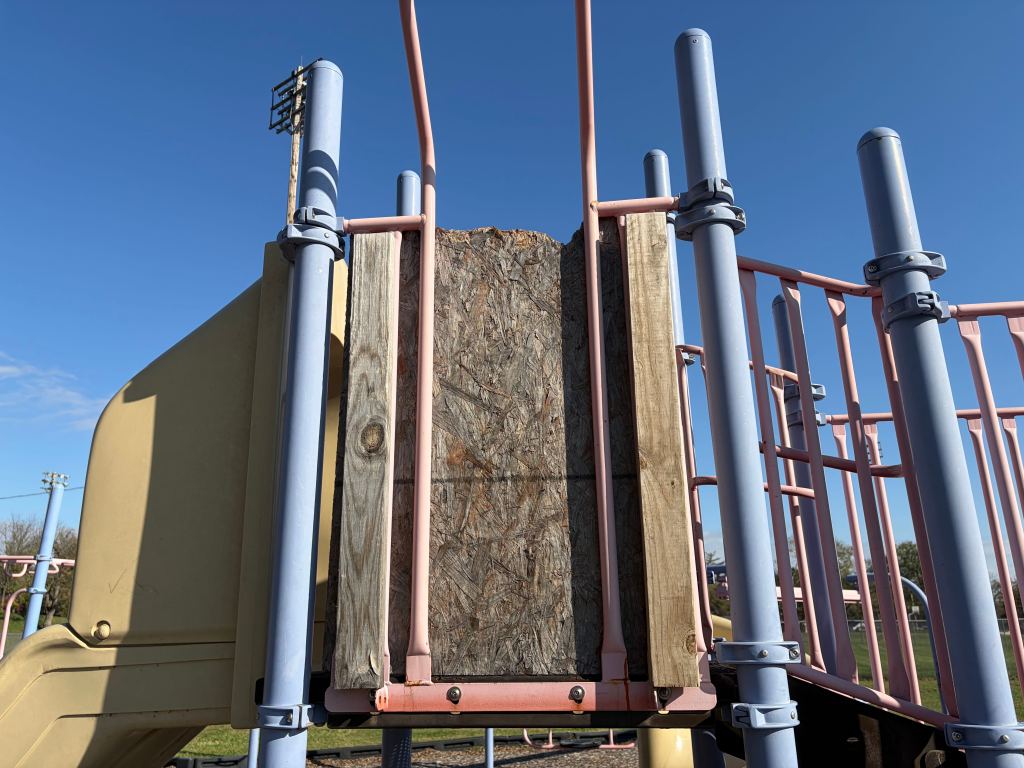
There’s a lot more to be done, in the northeast and parks throughout the city, Ferrera told The Beacon. KCK’s seven community centers, which range anywhere from nearly 40 to more than 100 years old, are all in need of upgrades. Several city playgrounds need repairs and are boarded up in the meantime.
Other priority projects include building a new park out in Piper, a growing neighborhood in west KCK; replacing an aging clubhouse at the Sunflower Hills Golf Course; and upgrading parks located throughout the city.
As a wave of affordable housing development projects make their way into KCK’s northeast, Ferrera wants the city’s parks to rise to the occasion. After all, a lot of families want to move into neighborhoods that have quality, safe parks, she said.
Wyandotte County has gradually invested more in parks and recreation in recent years, totalling $13.3 million between 2022 and 2025. Of those upgrades, many have been located in 41 city parks located east of Interstate 635, closer to KCK’s urban core.
In 2025, KCK invested more than $4 million on parks located east of I-635. That’s more than the nearly $3 million it spent in the year before and the less than $1 million spent in the two years prior.
The parks sales tax measure is among several ballot items, including a separate tax measure to fund homelessness services, that Wyandotte County voters will consider in the Nov. 3 election. Both of those taxes would be applied to any purchases in KCK and Wyandotte County, respectively.
Voters will also weigh in on who they think should lead in public office at the state and federal levels.