Takeaways
- Plans to convert the recently closed Park Elementary to a homeless shelter are drawing some objections from Midtown locals.
- The building is slated as an emergency homeless shelter late this year and a shelter and home for social service agencies in 2026.
- The Board of Education made the first practical step toward a transfer of Park Elementary to the City of Wichita on Thursday.
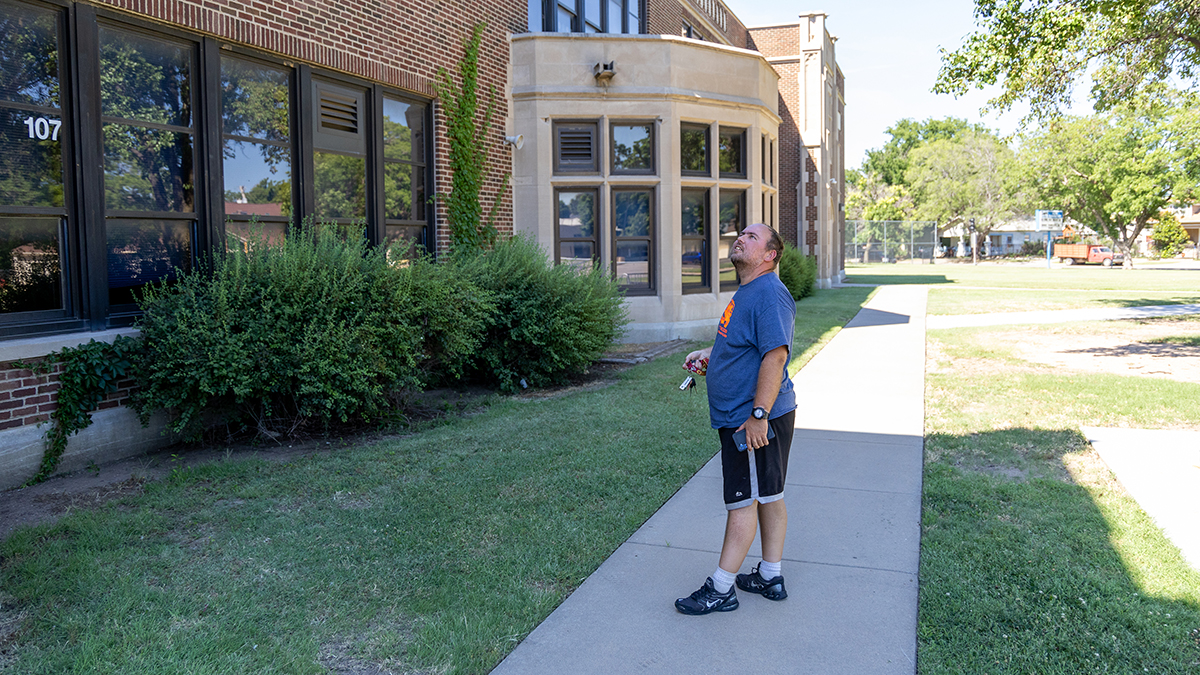
Bobby Harlan gazed over the shuttered grounds of Park Elementary School, which he attended 32 years ago, and shared his disappointment about its future.
“How can it be a homeless shelter?” he said. “This neighborhood needs a school.”
First came the news in March that Wichita schools would be closing the school to save on repair costs. Then came a plan to sell the school to the city of Wichita for $1. Next came talk of Park Elementary’s likely future as a homeless shelter and social services campus.
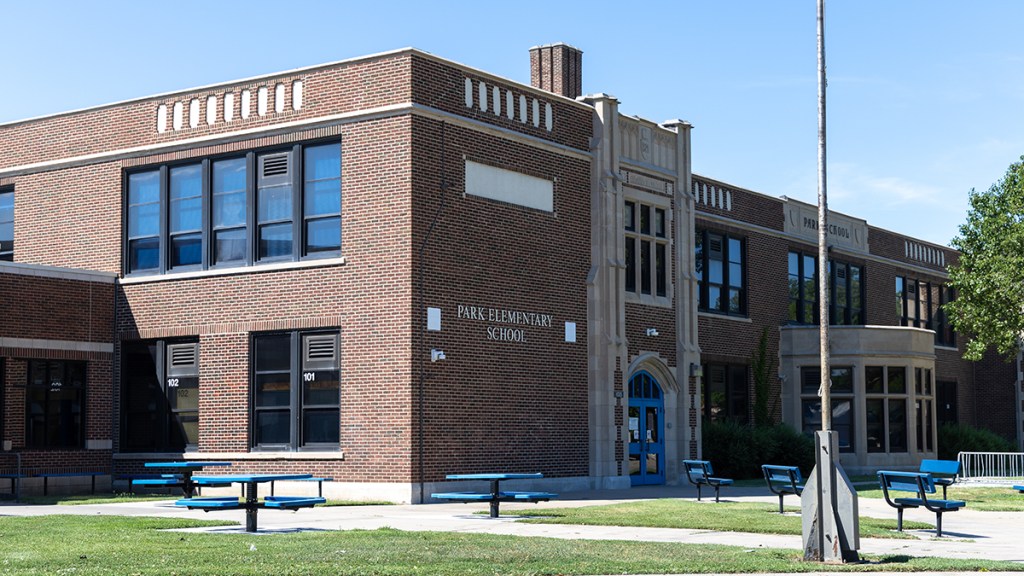
“I want to see it open back up as a school, something that’s for the kids of this neighborhood,” Harlan said. “I don’t want to see it as a homeless shelter. If they can raise enough money, it can be for the kids.”
If the plan goes ahead, Park Elementary would become an emergency winter shelter in late 2024. By 2026, it’s slated as a multiagency center.
The multiagency center will cost $25 million to $35 million to convert and $2 million per year to operate. It will host a range of services for homeless people.
Agencies tucked into the building would try to coordinate services and provide a one-stop location to steer people to emergency housing, therapy, case management, financial aid and personal skills development.
About 690 people reported homelessness during Sedgwick County’s January 2024 count. Nearly 190 of those people said they lacked any kind of shelter.
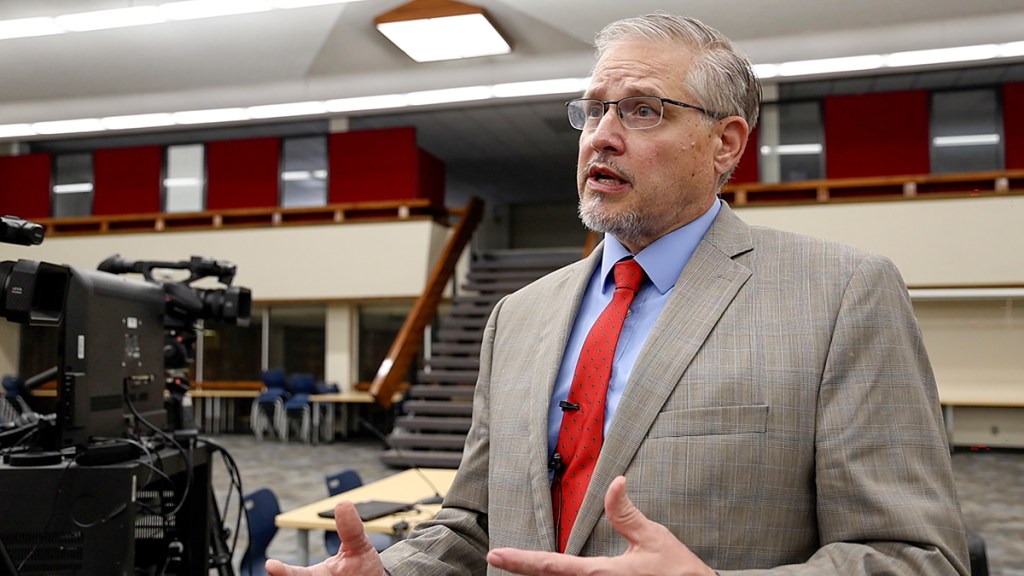
School board president Stan Reeser said the building’s conversion would deal with a “great community need.” The board voted 6-1 to start the transfer of Park to city ownership.
Over the next several months, the city will study the cost and community impact of the proposed shelter before buying the building for $1.
Planners hope to open the emergency shelter by winter.
Board member Kathy Bond voted no after saying the school district should try to get more money out of the building.
Superintendent Kelly Bielefeld told the board on Thursday that Park has an appraised value of $750,000. The board approved selling Field Elementary School for $325,000 on Thursday, to a company that plans to convert it to apartments. It had been on the market since March 25.

“There’s a disconnect here,” Bond said.
The district is working to cut into $1.2 billion of mounting maintenance costs. Those costs are likely to swell to more than $3 billion in the years to come, even after the May closures of the Park, Hadley, Jardine, Clark, Payne and Cleaveland schools.
Reeser said the $1 transfer would avoid shifting school district costs onto city taxpayers. Having paid to build and maintain Park in the past, Reeser said, taxpayers would pay again if the city bought it at market value.
“Therein lies the issue of double taxation,” he said.
The Historic Midtown Citizens Association opposes the Park plan, association president Makayla Welch said. Park Elementary is a valued neighborhood school for Midtown, she said.
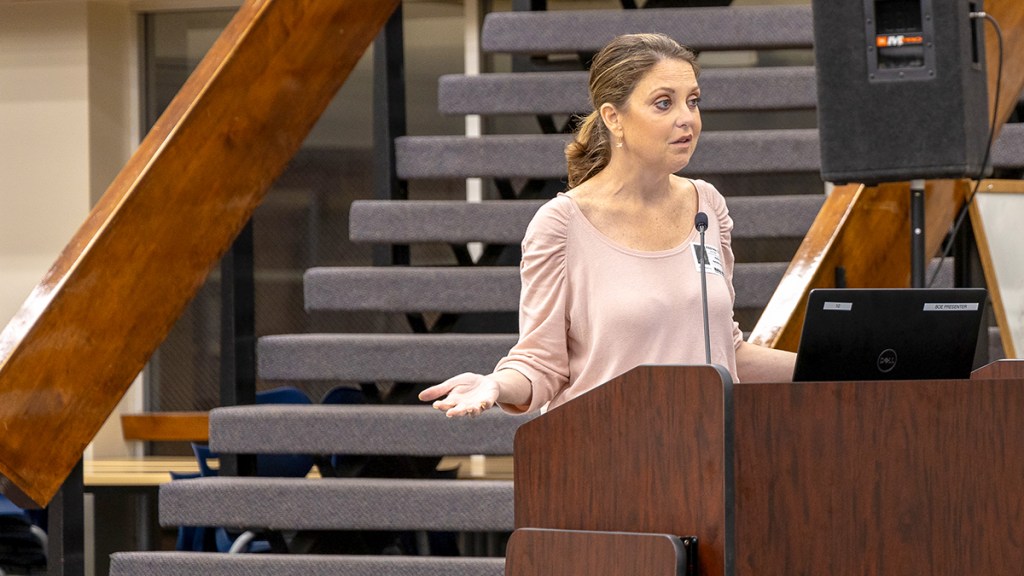
Welch said she understands the need for a large shelter, but not in a residential neighborhood.
“I refer to them as our unhoused neighbors,” she said. “Our request is that we take care of all of our neighbors, who have not anticipated the shelter being in our neighborhood school.”
Welch said people build their lives and their homes around neighborhood schools.
“It has shockingly become not only no longer a school, but now a homeless shelter,” she said. “And not only that, but a consolidation of services that is meant to draw the entire homeless population of Wichita.”
Trish Hileman of the Wichita Independent Neighborhood Association also opposes the plans, which would draw homeless people to a single building.
“Midtown already (does) a lot of work in housing homeless services in Wichita,” she said. “We don’t want it to become such a heavy problem that people don’t want to live there anymore.”