
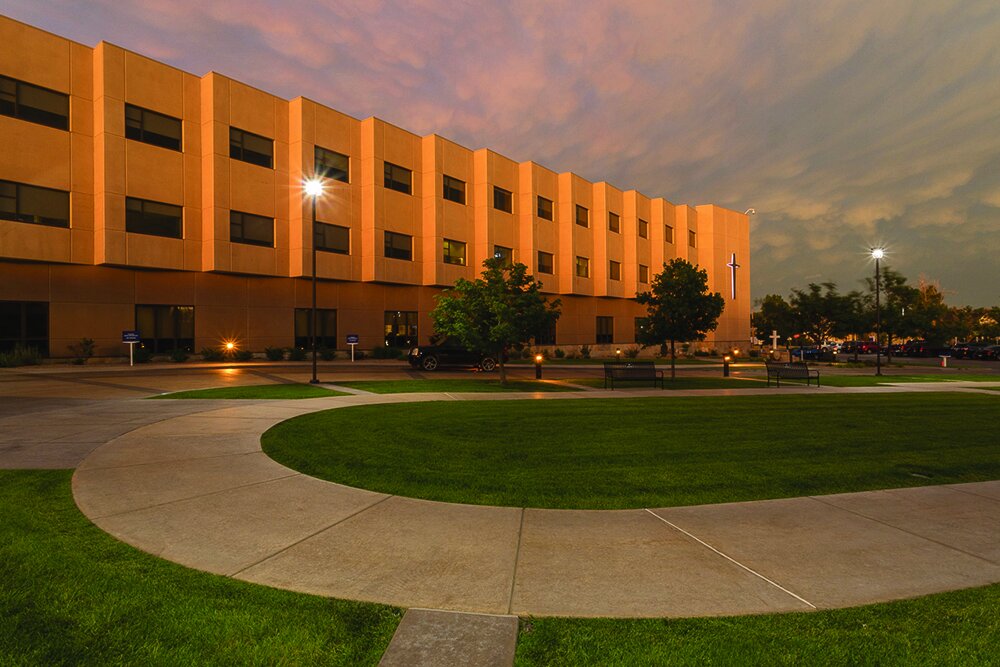

COVID-19 has spread to rural counties in Kansas and Missouri, leading to spikes in cases that weren’t seen in the earliest stages of the pandemic. A combination of factors — population size and distribution, the presence of meatpacking facilities, and COVID-19 outreach programs — is affecting how these areas are responding to the virus. Many high-risk neighborhoods are also more likely to be low-income, immigrant communities, many of whom work in rural Kansas and Missouri meatpacking plants.
Rural Kansas and Missouri face unique challenges with COVID-19
Posted inEducation
‘Lives on the line’: Kansas and Missouri teachers prepare to go back to school in a pandemic

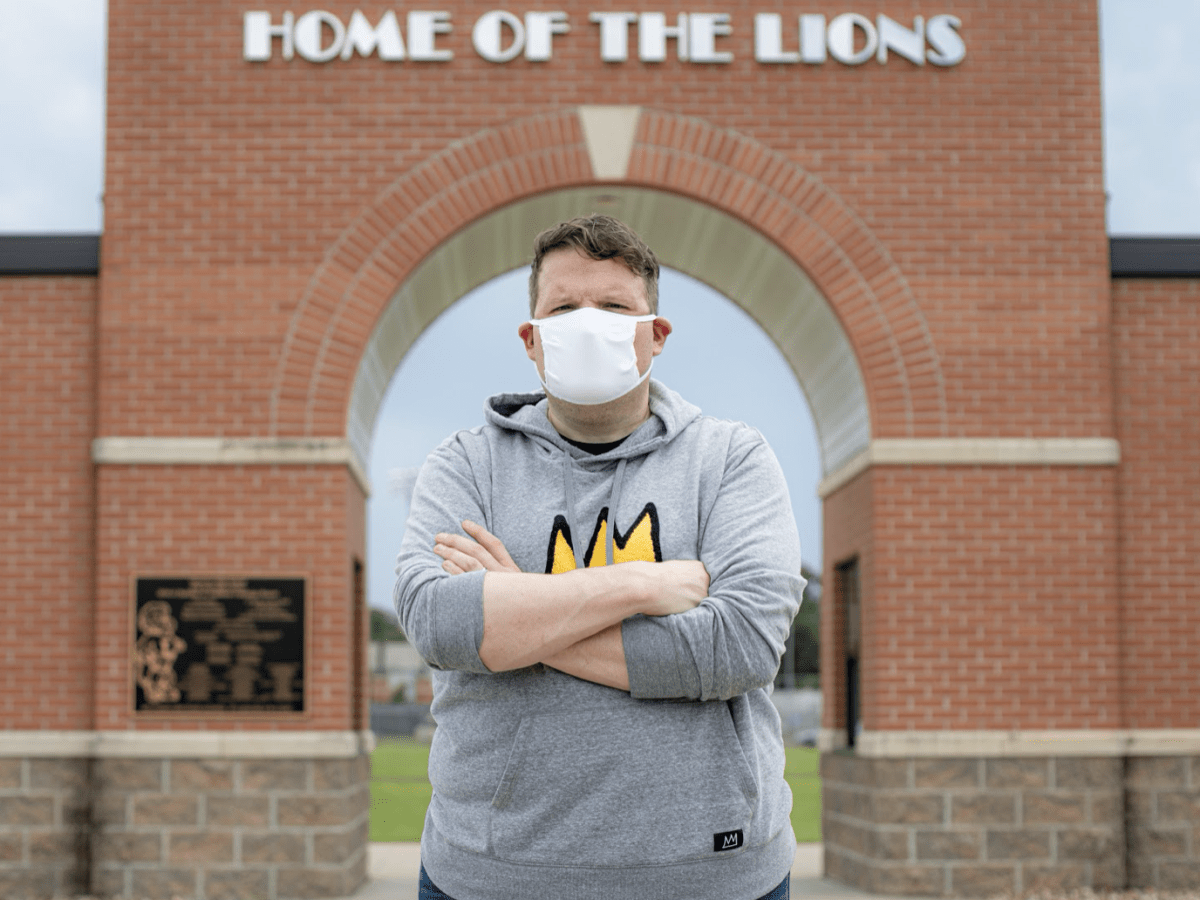
With COVID-19 cases on the rise, teachers in Kansas and Missouri are left to grapple not only with the safety of their students, but also themselves. Many are scrambling to move lesson plans online. Others are retiring early. Some are preparing their wills.
Posted inCivic Engagement
In the midst of a pandemic, Missouri voters say ‘Yes’ to expanding Medicaid
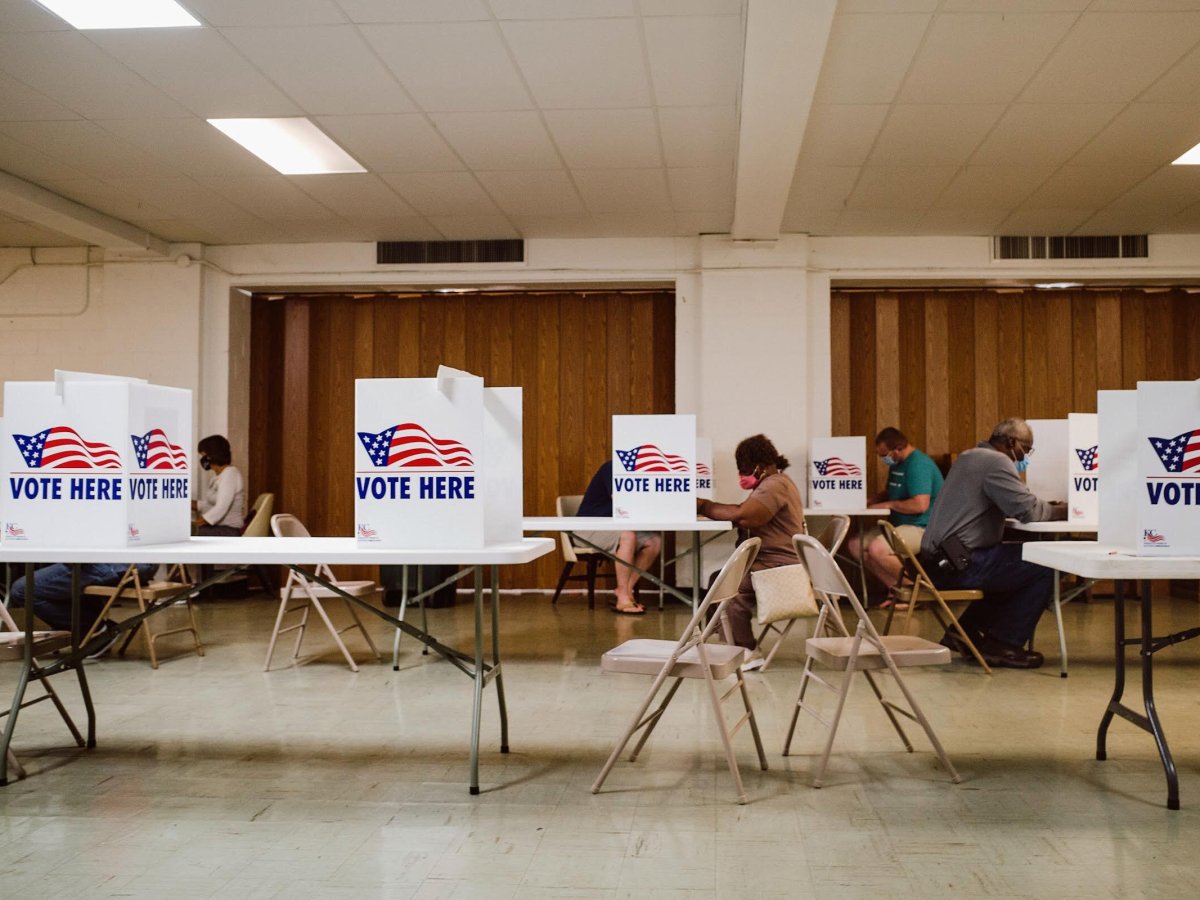
Missouri became the 38th state in the U.S. to expand its Medicaid program earlier this week. But the expansion won’t go into effect until July 2021, potentially leaving thousands without health coverage in the midst of a global health crisis and high unemployment as a result of that crisis.

Posted inCivic Engagement
What justice looks like to Kansas City moms who lost their sons to police violence


Since 2013, 265 people have been shot and killed by law enforcement in Kansas and Missouri — 30 by the Kansas City, Missouri, Police Department alone. Their deaths have left behind mothers, sisters, children, friends and family whose lives have been uprooted by sudden loss.

Posted inEnvironment
Like COVID-19, the burden of air pollution is not evenly shared in Kansas and Missouri
Early research suggests a correlation between positive cases of COVID-19 and deaths in areas with higher levels of air pollution.
Posted inCivic Engagement
Wide-ranging policies give Kansas and Missouri cops discretion for violence
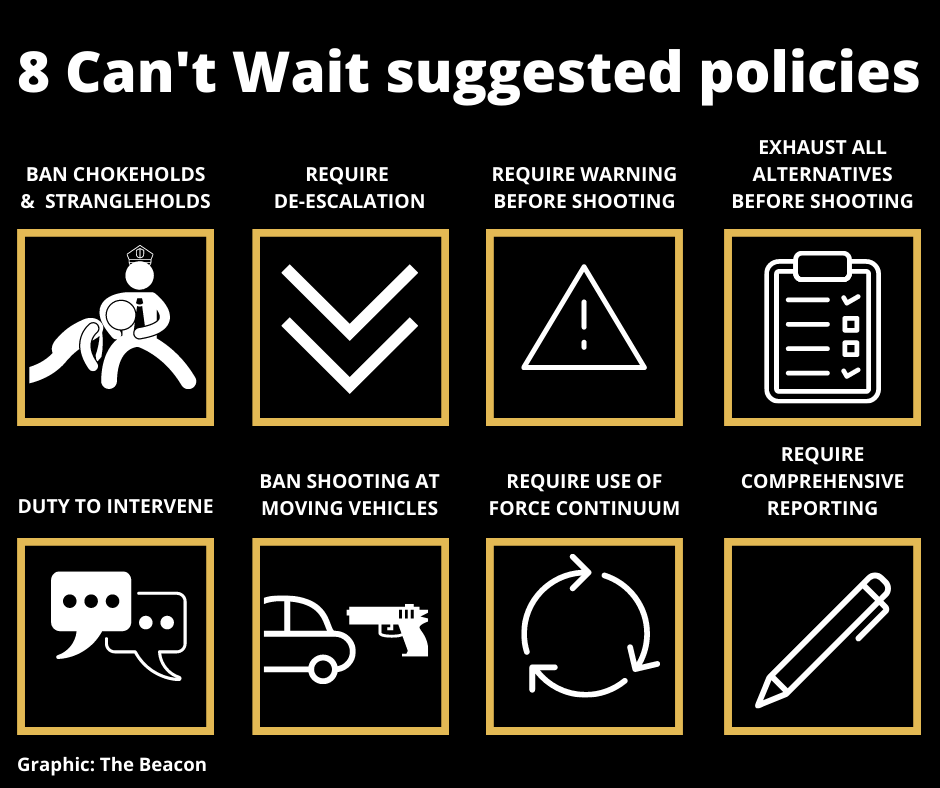
Policy solutions to stop police killings are gaining more traction in local governments. Launched in early June by the nonprofit police reform group Campaign Zero, a data-backed research platform called 8 Can’t Wait outlines eight specific use-of-force policies to reduce the number of police killings. But local adoption of these policies varies widely, an analysis by The Beacon found.

Posted inHealth
In Kansas City, the Latinx community faces extra challenges with COVID-19
In Kansas, Latinx people contract COVID-19 at a rate 5.7 times that of non-Hispanic residents for cases in which ethnicity was reported — 22.9% of cases are missing ethnicity data. Latinx people accounted for almost half of COVID-19 cases in Wyandotte County, where 29.8% of the population is Latinx, for cases where ethnicity data is known. Latinx people also face greater disparities in accessing testing.
Posted inCivic Engagement
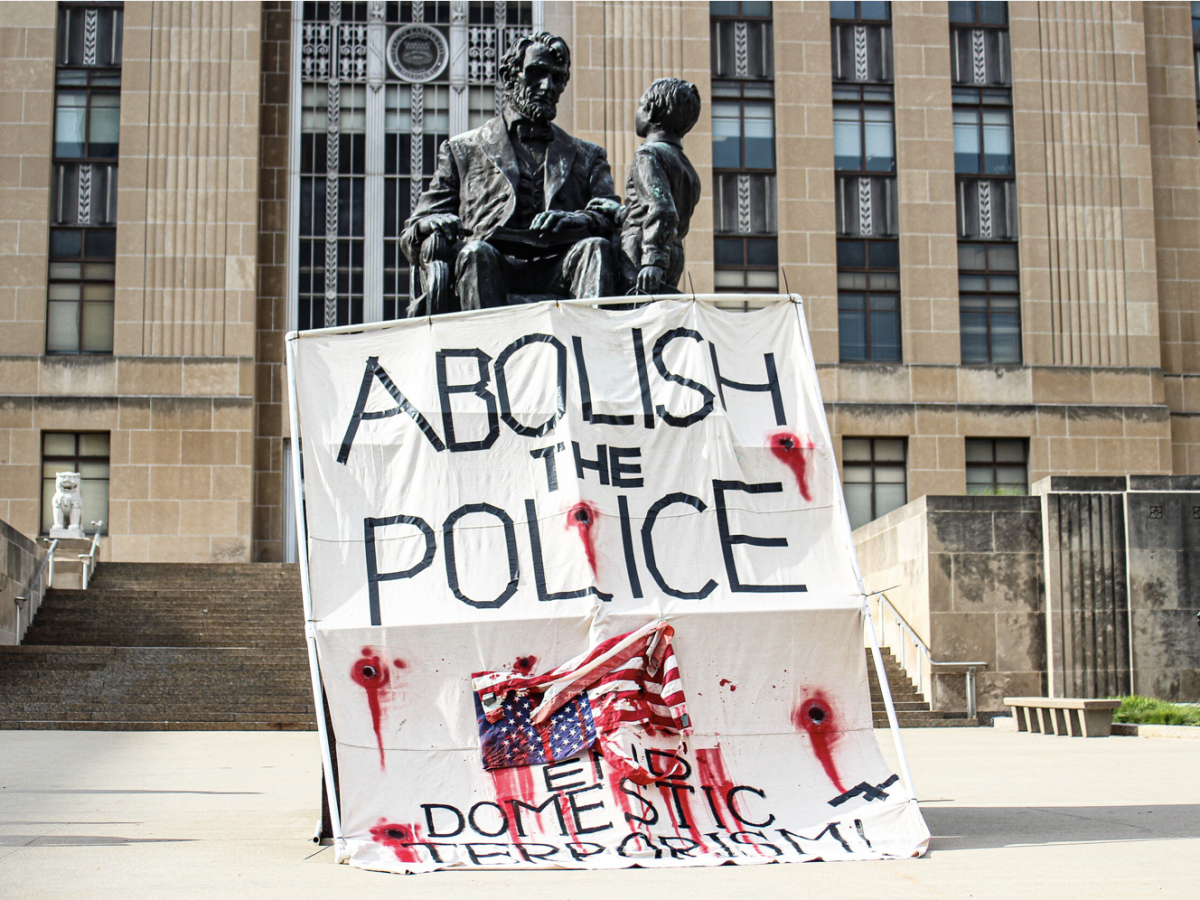
Activists want to defund KCPD. Here’s what that means.
Amid mass protests against police violence in Kansas City and throughout the nation, one three-word phrase keeps coming up: “Defund the police.” But what does it actually mean? The Beacon spoke to local activists to explain the thinking behind the phrase that has caught national attention. Calls to defund the police are rooted in critiques that police departments receive exorbitant funding that should instead be reinvested into programs that directly aid the community. It is that dichotomy — of a police department with too much money and social programs with too little — that local activists say they want to change.

Posted inHealth
‘We’ve seen this trend before’: The deadly disparities of COVID-19 for Kansas City’s Black community
COVID-19 is shining a light on health disparities that the Black community faces, but it isn’t the first disease to do so. In addition to higher rates of COVID-19, Black people in the Kansas City area have access to fewer permanent testing sites than the white population. The health disparities behind increased cases of COVID-19 among the Black community in Kansas City can be traced to several factors.
Posted inHealth
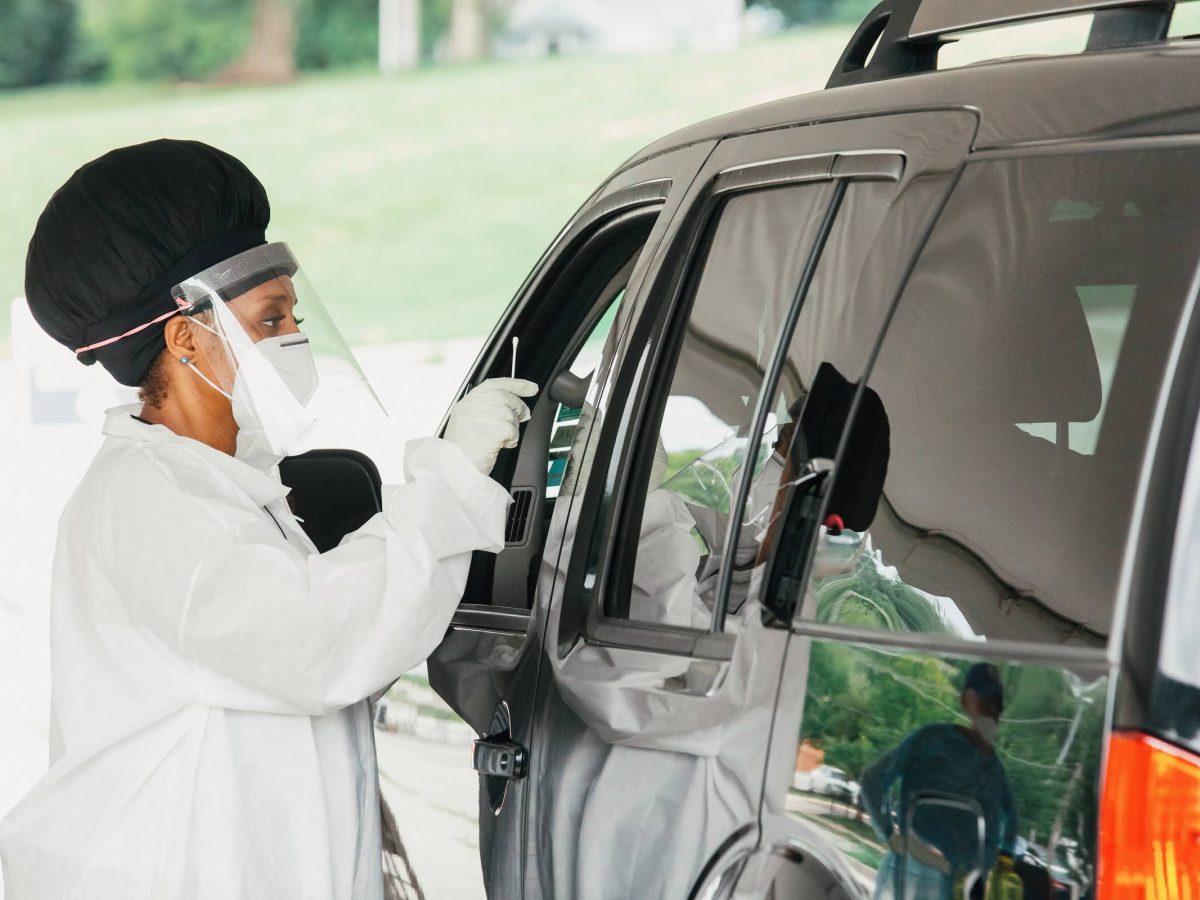
In testing for COVID-19, Black and Hispanic people in Kansas and Missouri have fewer options
In Kansas City — and similarly across the U.S. — racial and ethnic minorities face worse outcomes and greater disparities when it comes to catching, surviving and being tested for COVID-19. In both Missouri and Kansas, Black people are contracting COVID-19 at rates higher than their share of the state population. On both sides of the state line, Black people are dying at a rate over two times their population share.