
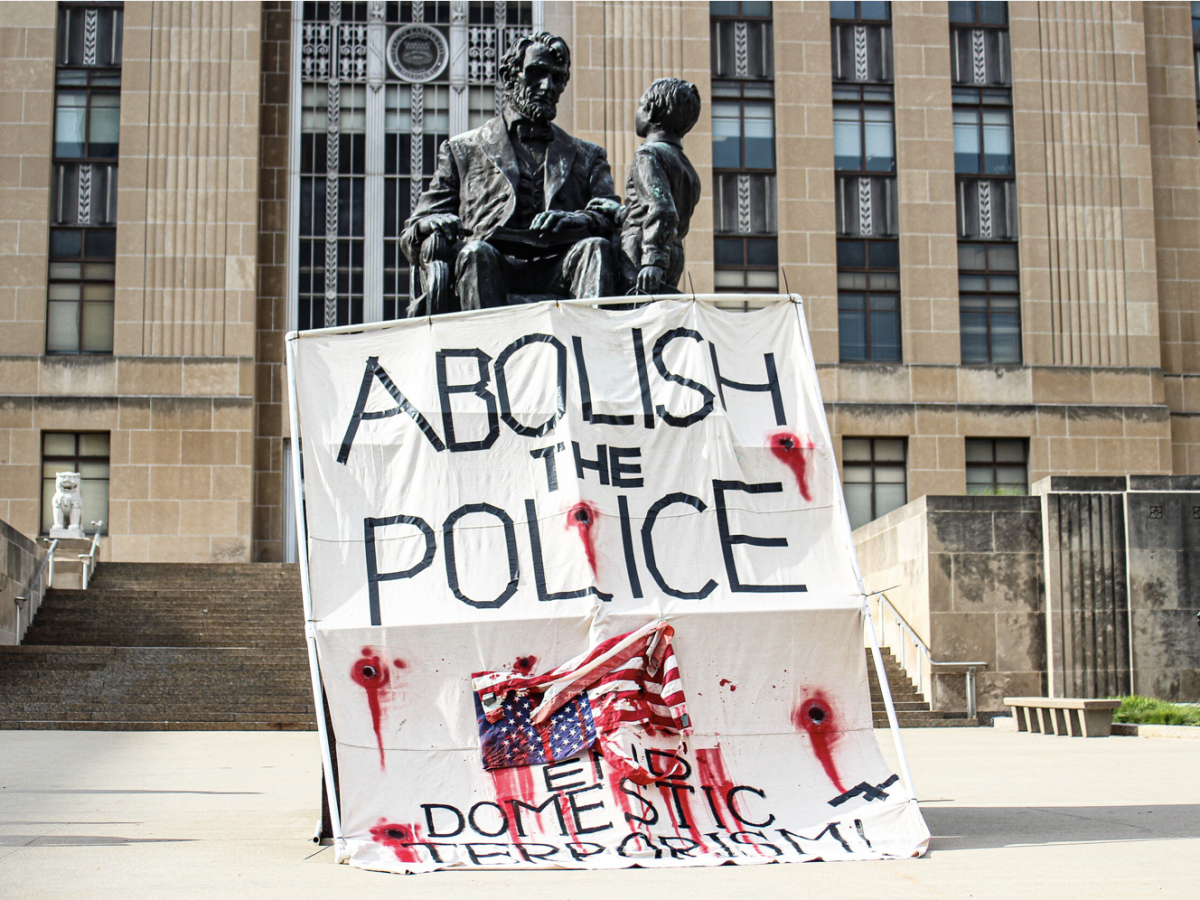

Amid mass protests against police violence in Kansas City and throughout the nation, one three-word phrase keeps coming up: “Defund the police.” But what does it actually mean? The Beacon spoke to local activists to explain the thinking behind the phrase that has caught national attention. Calls to defund the police are rooted in critiques that police departments receive exorbitant funding that should instead be reinvested into programs that directly aid the community. It is that dichotomy — of a police department with too much money and social programs with too little — that local activists say they want to change.
Activists want to defund KCPD. Here’s what that means.

Posted inHealth
‘We’ve seen this trend before’: The deadly disparities of COVID-19 for Kansas City’s Black community

COVID-19 is shining a light on health disparities that the Black community faces, but it isn’t the first disease to do so. In addition to higher rates of COVID-19, Black people in the Kansas City area have access to fewer permanent testing sites than the white population. The health disparities behind increased cases of COVID-19 among the Black community in Kansas City can be traced to several factors.
Posted inHealth
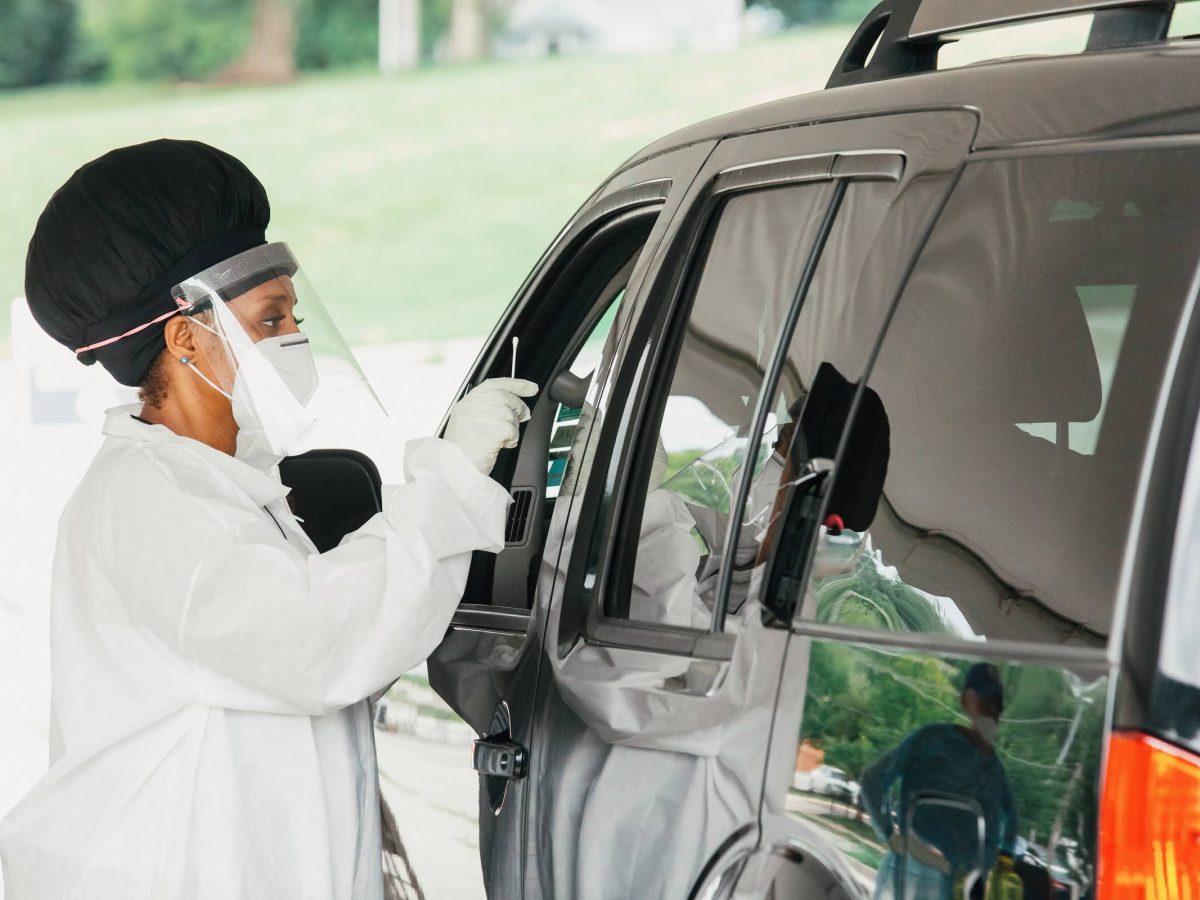
In testing for COVID-19, Black and Hispanic people in Kansas and Missouri have fewer options
In Kansas City — and similarly across the U.S. — racial and ethnic minorities face worse outcomes and greater disparities when it comes to catching, surviving and being tested for COVID-19. In both Missouri and Kansas, Black people are contracting COVID-19 at rates higher than their share of the state population. On both sides of the state line, Black people are dying at a rate over two times their population share.

Posted inEducation
Kansas and Missouri colleges are scrambling to navigate higher ed in a COVID-19 world

With an increase in COVID-19 cases in Kansas and Missouri and less than two months before the semester begins, college administrators in and around Kansas City are still scrambling to figure out exactly what school will look like this fall in a coronavirus world — and if students are going to show up.

Posted inCivic Engagement, Journalism
The Beacon launches free texting campaign around social justice and racial equity

A new program will deepen our commitment to social justice and racial equity coverage. Through texting, we can deliver the news to more of the community, including those without access to secure, reliable internet.

Posted inCivic Engagement
Small and mid-sized towns in Kansas and Missouri are seeing mass protests like never before

A Beacon analysis found that over 50 small towns across both states have witnessed a protest in the weeks following George Floyd’s killing.
Posted inCivic Engagement
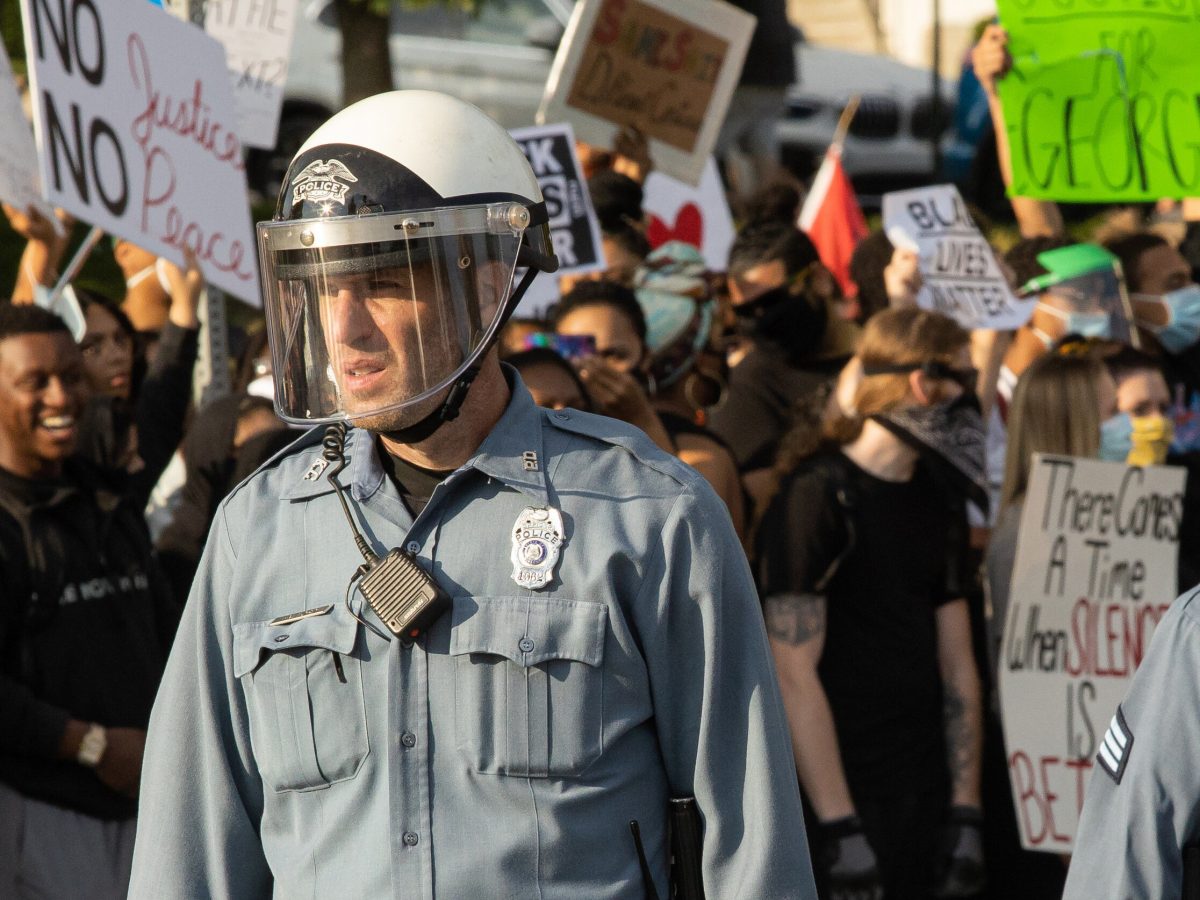
Kansas City faces a big obstacle when it comes to police reform: local control of its police department
At a time of mass protests against police violence — where calls to increase officer accountability and even defund police departments are being amplified across the country — Kansas City, Mo., stands out as the only major U.S. city without local control of its police department. For 80 years, a board appointed by the Missouri governor has controlled the police department.

Posted inCivic Engagement
New Kansas court record system could expand access to hard-to-reach documents
How the Kansas’ new court records system could reform what some see as a cumbersome and opaque process.

Posted inCivic Engagement, Journalism
Behind Local News: Covering protests against police violence
The Beacon hosted an open community conversation to provide an inside look into decisions our newsroom is making in real time about covering protests around police brutality. Celisa Calacal, The Beacon’s assistant editor and a reporter at local protests, and Kelsey Ryan, The Beacon’s editor and founder, responded to questions our readers sent in and asked during the live chat. We addressed criticisms of how local media frames unrest, the ethics of covering protests and editing protest stories, and reader concerns about newsroom diversity and equity awareness.

Posted inCivic Engagement
Why Kansas City’s protest story is different
Thirteen black men killed at the hands of Kansas City police. The only major police department without local control. As demonstrations against police killings of black Americans continue across the country, we dive deeper.