
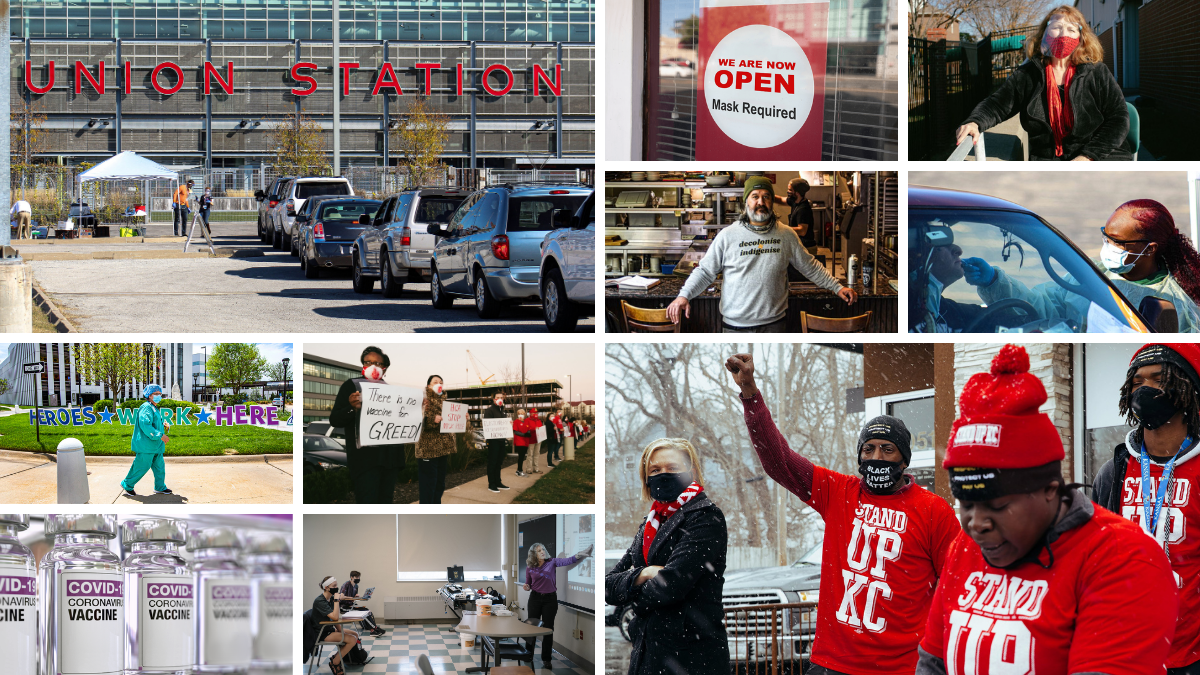

Do you have a question about how the ongoing COVID-19 pandemic is affecting the Kansas City area? The Beacon is here to help. We use our reporting resources to cut through the confusion and find clear, verifiable answers for our community. We’ll publish some responses and respond directly to others. To share a COVID question […]
Health Care

Posted inHealth
COVID in 2021: A look back at data visualizations showing Kansas City trends in year two of the pandemic
As 2021 comes to a close, we’re taking a look back on local COVID data and trends, which offer an interesting glimpse into the questions and topics that shaped our view of the second full year of the pandemic. We updated some of our most telling graphics of the year to see what’s changed, what hasn’t and what data we’ll be watching in the future.
Posted inHealth
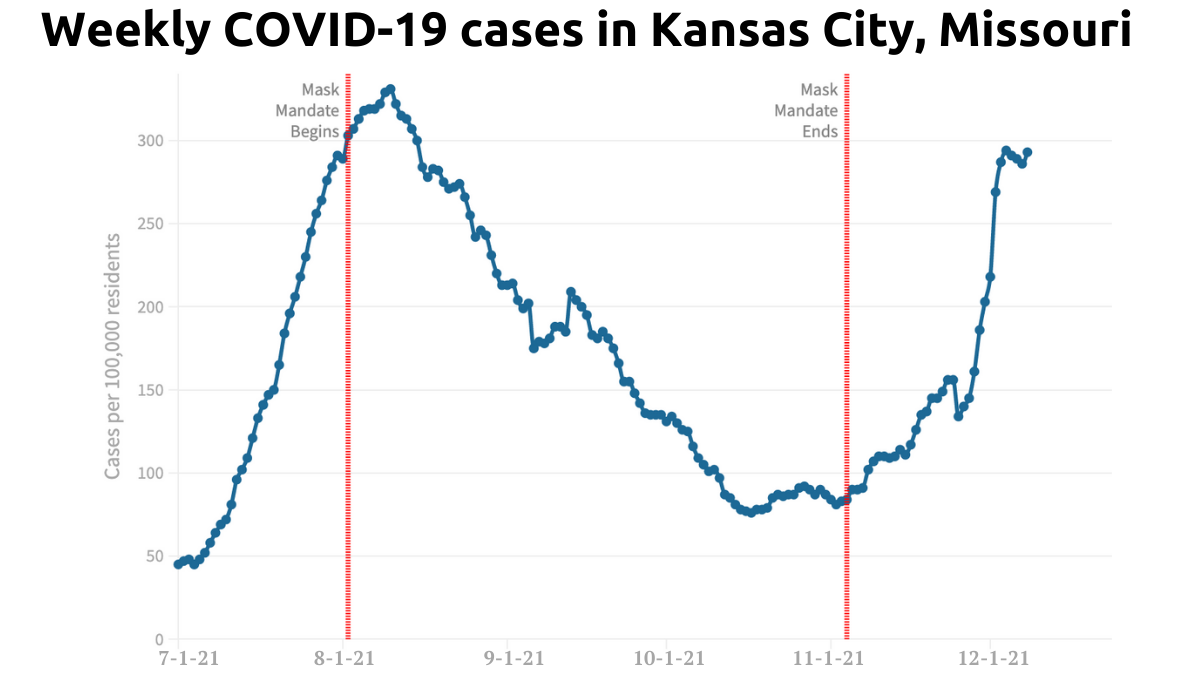
KCMO COVID-19 metrics are trending up. These indicators might signal future Kansas City mask mandates.
In general, many of the local COVID-19 metrics are as bad today as they were when the last mask mandate was enacted and are significantly worse off than when it expired last month.
Posted inEducation
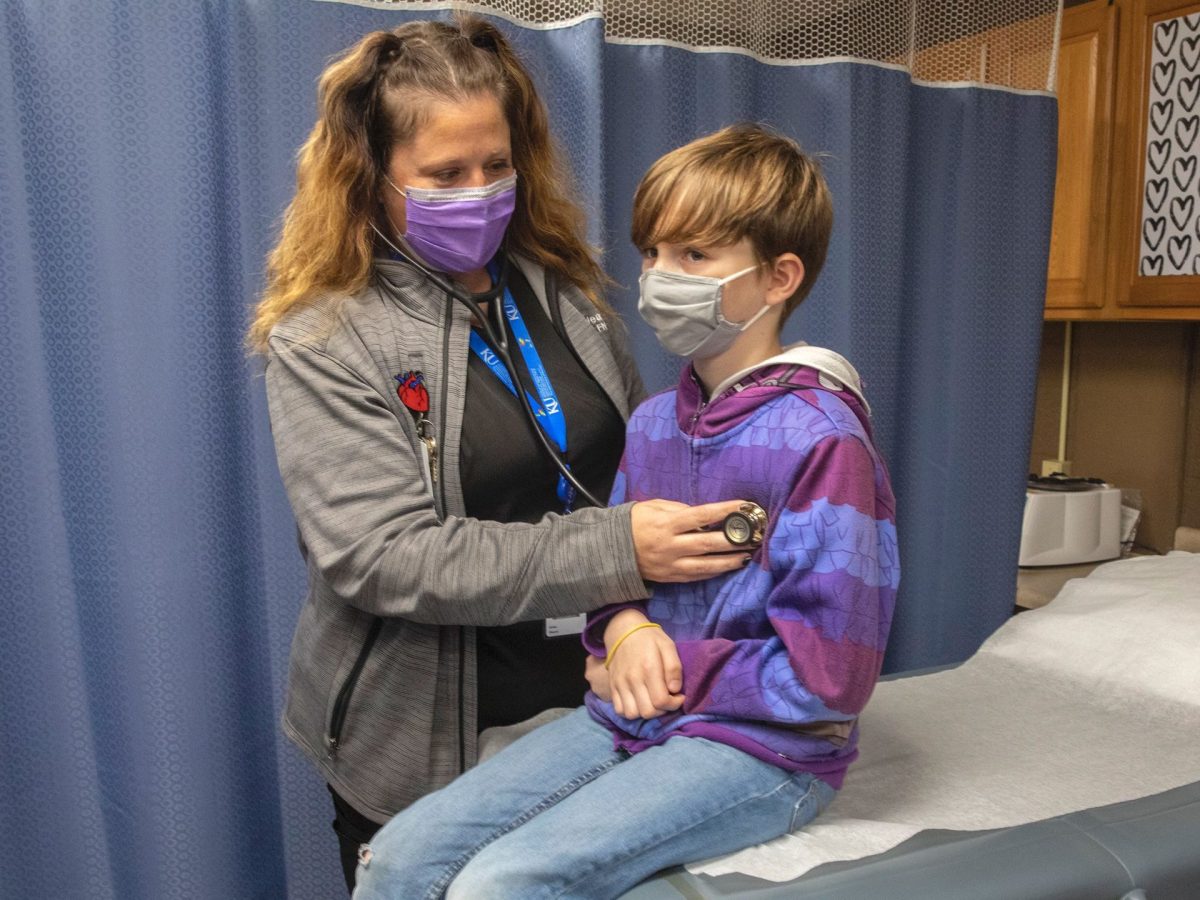
A KU Wichita Pediatrics pilot program brings health care into schools, and it’s keeping students in class

Editor’s note: We updated this story on Dec. 8 to clarify that Krista Weaver is an advanced practice registered nurse. On Dec. 9, the story was updated to clarify that KU Wichita Pediatrics operates the school-based clinics. There’s no telling who or what Krista Weaver will see every day in her classroom-turned-clinic in Haysville USD […]

Posted inHealth
As debate over sheltered workshops heats up, Missouri doubles down on paying people with disabilities less
A new Missouri law allowing employers to continue paying some people with disabilities less than minimum wage has positioned the state at the forefront of a national debate over disability rights in the workplace.

Posted inEnvironment, Health
Sorry Kansas City allergy sufferers: Research shows the pollen season is longer

As climate change warms temperatures and lengthens the pollen season, allergy symptoms may last longer or be more intense.

Posted inEducation
Looking for a cigarette? Chances are it’s a block away from a Kansas City public school

Forty percent of Kansas City’s public schools are located within 1,000 feet of a tobacco retailer, and tobacco retailers are 10 times more concentrated in Kansas City’s poorest neighborhoods, according to a recent study.

Posted inHealth
Rural Kansas and Missouri face unique challenges with COVID-19

COVID-19 has spread to rural counties in Kansas and Missouri, leading to spikes in cases that weren’t seen in the earliest stages of the pandemic. A combination of factors — population size and distribution, the presence of meatpacking facilities, and COVID-19 outreach programs — is affecting how these areas are responding to the virus. Many high-risk neighborhoods are also more likely to be low-income, immigrant communities, many of whom work in rural Kansas and Missouri meatpacking plants.
Posted inCivic Engagement
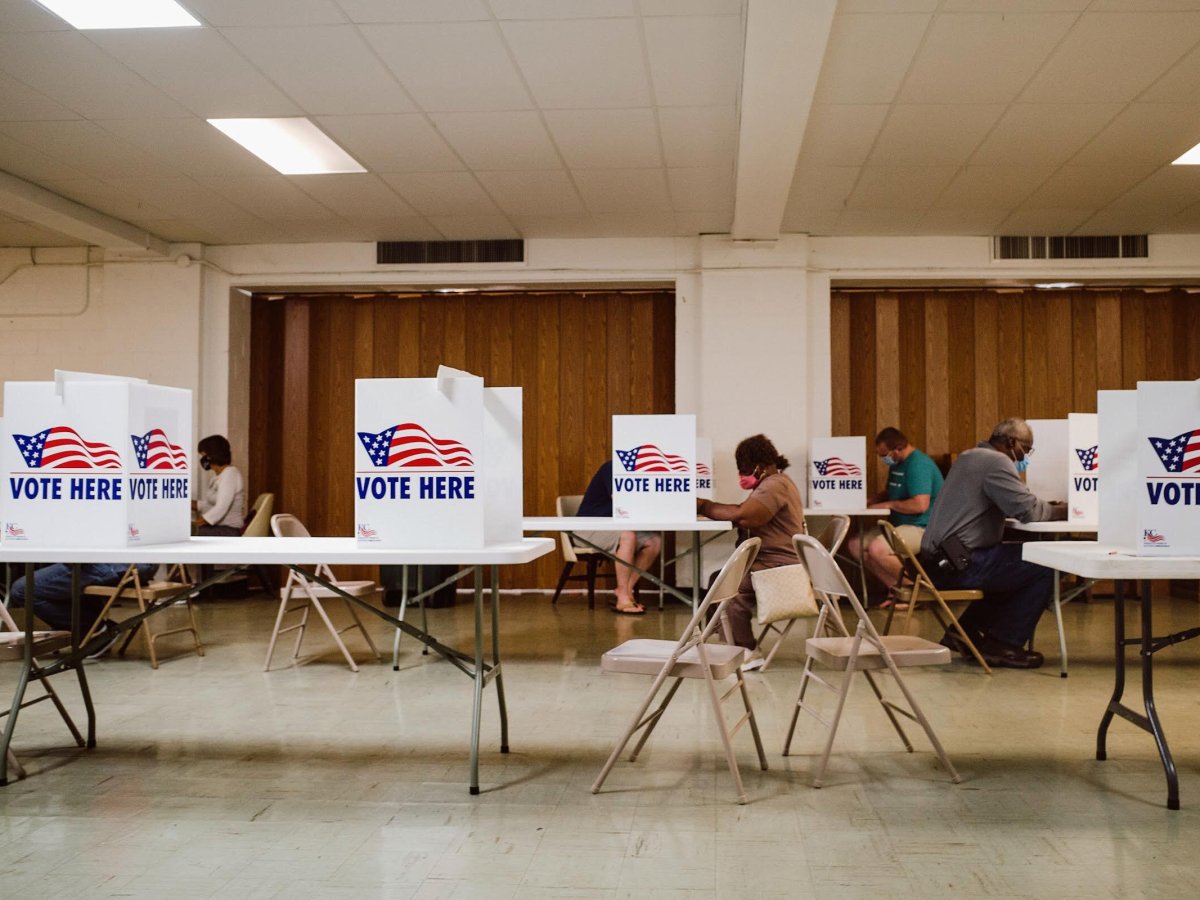
In the midst of a pandemic, Missouri voters say ‘Yes’ to expanding Medicaid
Missouri became the 38th state in the U.S. to expand its Medicaid program earlier this week. But the expansion won’t go into effect until July 2021, potentially leaving thousands without health coverage in the midst of a global health crisis and high unemployment as a result of that crisis.

Posted inHealth
In Kansas City, the Latinx community faces extra challenges with COVID-19
In Kansas, Latinx people contract COVID-19 at a rate 5.7 times that of non-Hispanic residents for cases in which ethnicity was reported — 22.9% of cases are missing ethnicity data. Latinx people accounted for almost half of COVID-19 cases in Wyandotte County, where 29.8% of the population is Latinx, for cases where ethnicity data is known. Latinx people also face greater disparities in accessing testing.