


A study published this month shows one-third of people recovering from COVID-19 have lasting psychiatric or neurological effects. Extrapolating from that rate, in Missouri, up to 167,000 people could be affected and up to 102,900 people in Kansas.

Brittany Callan

Posted inEnvironment, Health
Tick season is here. Here’s why you should save all of the critters you find
Scientists are asking Missouri residents to send them live ticks in the mail in an effort to better understand the diseases spread by the tiny arachnid.

Posted inHealth
For older Kansas Citians who can’t leave home, the J&J vaccine was their only option
A new program dedicated to helping older adults who cannot leave their homes get access to the COVID-19 vaccine was halted this week after the sudden pause of the Johnson & Johnson vaccine.

Posted inHealth
What does the Johnson & Johnson vaccine pause mean for me?
On April 13, the Centers for Disease Control and Prevention and the Food and Drug Administration requested a pause of the Johnson & Johnson vaccine out of “an abundance of caution.”
Posted inHealth
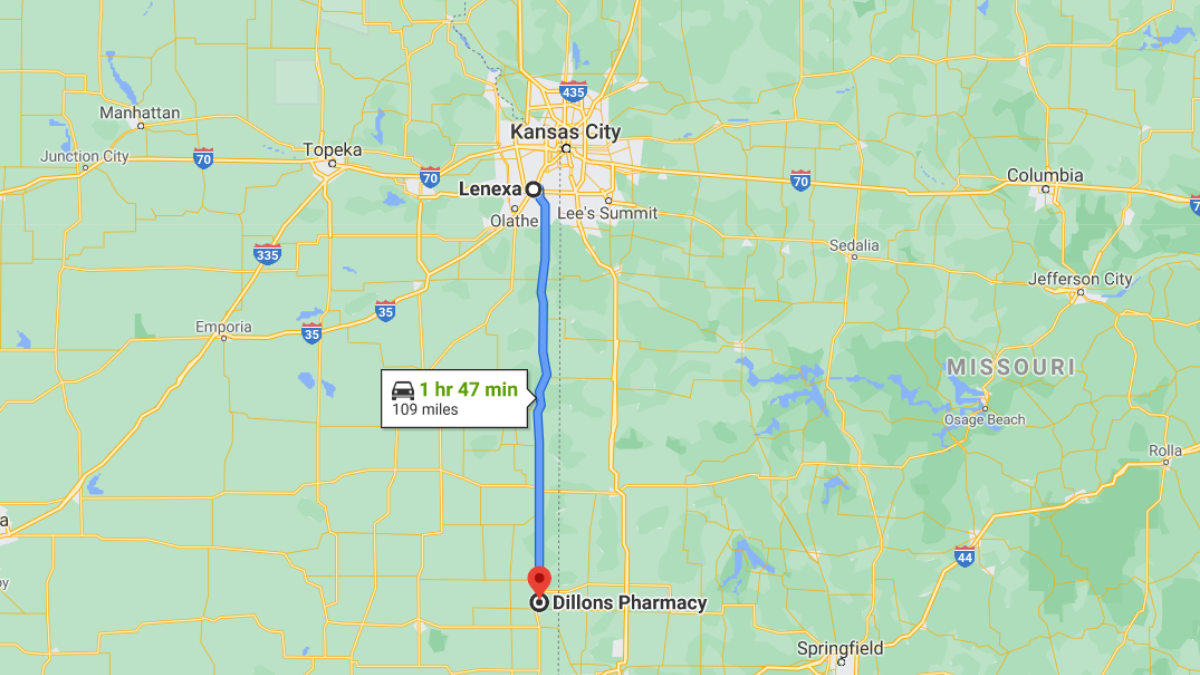
Why some Kansas City area residents are traveling to rural southeast Kansas for their vaccine
For many in Kansas City, vaccination scheduling success meant driving more than an hour to another county to get the shots.
There’s no centralized system for finding vaccination appointments, and there’s a stark difference in vaccine supply between federally qualified health centers in some rural counties and partners with local health departments.

Posted inHealth
Chaplains find new ways to connect during the pandemic
The Beacon spoke to three Kansas City chaplains representing different faiths to find out how spiritual care provided to patients changed with COVID-19.

Posted inHealth
COVID-19 vaccine distribution for Kansas City’s Black population ‘an afterthought’
Efforts to vaccinate more residents of Kansas City, Missouri, still aren’t serving the needs of the city’s Black community, who have been disproportionately impacted by COVID-19. Local organizations are stepping in with ideas of how messaging and vaccination efforts can be tailored to better serve the Black community.
Posted inHealth
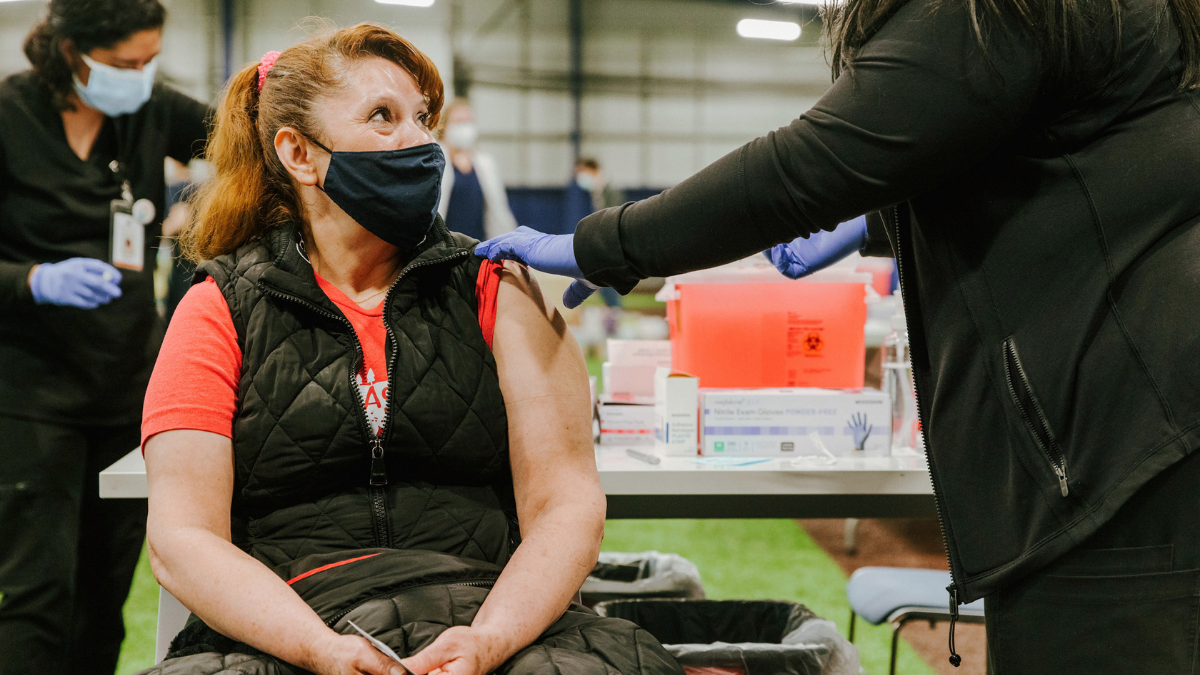
How Kansas City organizations are encouraging immigrant communities to get the COVID-19 vaccine
Kansas City’s immigrant populations face challenges with obtaining information about the COVID-19 vaccine in their languages and signing up to get the vaccine.
But Kansas City organizations are starting initiatives to help, like creating messaging around the COVID-19 vaccine for immigrants in their own languages, placing medical interpreters at community vaccine events and having one-on-one conversations with immigrants about their feelings on the COVID-19 vaccine.
Posted inHealth
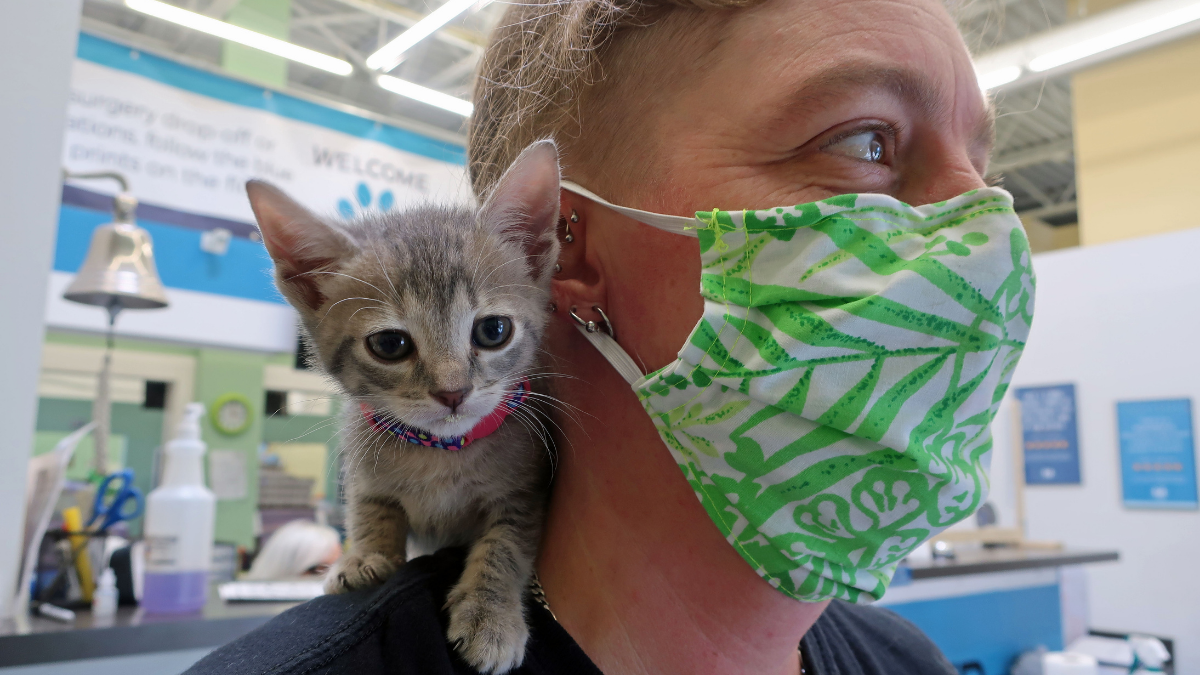
How COVID-19 has affected pets in Kansas
According to the U.S. Department of Agriculture’s most recent data, more than 3,625 animals have been tested for COVID-19 across the U.S. — 131 positive. Household pets can catch COVID-19 from their owners, in turn potentially infecting other pets or humans.

Posted inHealth
How Missouri and Kansas expanded rural access to health care in the pandemic
With the need to help prevent the spread of COVID-19, many medical providers have turned to virtual appointments, known as telehealth, as a solution.