


Brightli, a Springfield-based owner of behavioral health providers across the Midwest, plans to merge with Centerstone, another nonprofit behavioral health provider in several southeastern states.
If regulators approve it, the merger will create the largest nonprofit behavioral health network in the U.S. Brightli and Centerstone expect the merger will be final in November, the groups announced.
Both companies say the merger will allow them to scale their resources and expertise and serve patients more effectively, with a combined network of 360 locations across nine states. The groups say patient services will not be impacted, and they anticipate combined revenues totaling more than $1 billion. Terms of the transaction were not disclosed.
Neither company is a stranger to mergers or acquisitions. Brightli and its related companies have overseen 25 mergers across their coverage network.
“This partnership represents an incredible opportunity to shape the future of care,” said Brightli CEO C.J. Davis in a press release. “We have seen firsthand the power of joining forces to expand access and improve outcomes.”
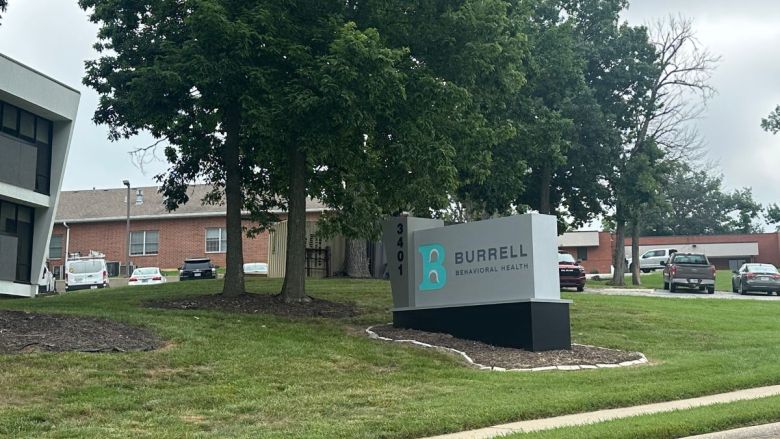
Brightli originated in 2022 as a result of a merger between Burrell Behavioral Health, a state-designated community mental health center, and Kirksville-based Preferred Family Healthcare. Brightli now has more than 6,000 employees at over 220 locations across Missouri, Illinois, Indiana, Oklahoma and Kansas.
It’s the parent company of other familiar Missouri-based providers, such as Comprehensive Mental Health Services, the community mental health center based in Independence, Clarity Healthcare and Southeast Missouri Behavioral Health, among others.
Centerstone is a nonprofit mental health and substance use disorder provider in Florida, Illinois, Indiana, North Carolina and Tennessee. The group has been part of 20 mergers over the last three decades and has more than 4,300 employees at 140 locations.
How the behavioral health workforce is changing
Like many other health sectors, there is a lack of workers in the mental health and substance use treatment fields.
According to data from the Health Resources and Services Administration, there are 256 mental health professional shortage areas across Missouri. In Kansas, there are 110 health professional shortage areas.
And as these shortages persist, companies are seeking mergers to find ways to effectively provide care for an estimated 123 million Americans nationwide who live in a mental health professional shortage area.
But with the launch of 988, a nationwide crisis hotline, Missouri is changing how it responds to those in crisis. Instead of dialing 911 and having law enforcement or first responders be the first on the scene for those in crisis, trained mental and behavioral health specialists are on the other end of the phone to help someone.
This shift has put more pressure on mental health and substance use treatment providers to have the staffing available to respond to these crises.
As a part of 988, Missouri is building out a behavioral health mobile crisis response network, which includes Brightli and its affiliates. State money helps providers pay for the trained specialists to be dispatched to where someone is in crisis.
But serious coverage gaps remain. Data from the Substance Abuse and Mental Health Services Administration (SAMHSA) found that in 2023, just 25 of the state’s 246 behavioral health providers offered treatment programs for opioid use.
SAMHSA data also found that as of 2023, 200 of the state’s 246 substance use treatment providers were run by private nonprofits, accounting for nearly 80% of the patients seen statewide.
“By combining resources, expertise and innovative approaches to care, these organizations are poised to not only expand access, but they’re also setting a new standard for how high-quality, community-based mental health and substance use treatment can be delivered at scale,” said Chuck Ingoglia, president and CEO of the National Council for Mental Wellbeing, in a press release. “This partnership is a unique opportunity to enhance efficiency, reduce the overall cost of care, and ultimately create a more sustainable model for behavioral health delivery.”
