
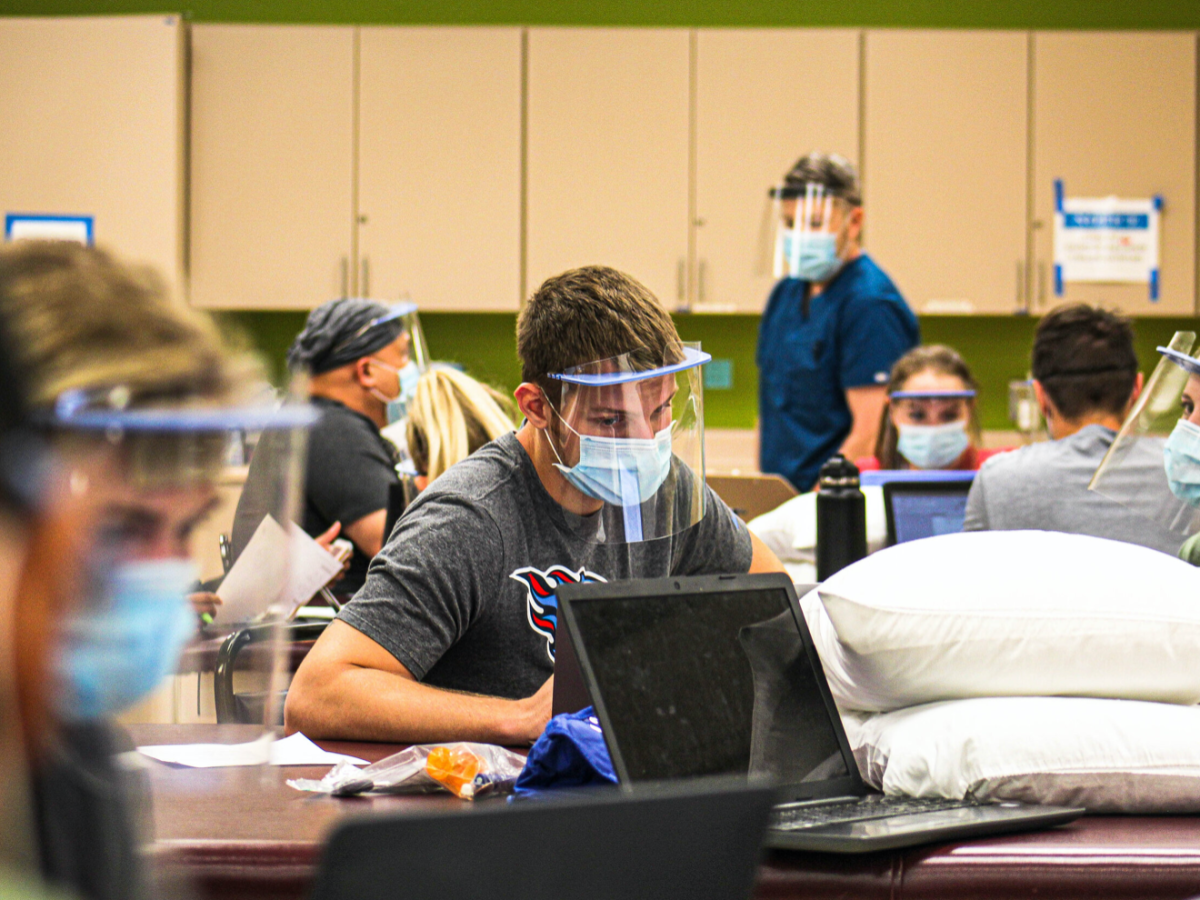

COVID-19 is driving rapid changes in health care education programs that are grounded in tradition — and many of the changes might be here to stay. It’s affecting all medical education, from medical doctors to physical therapists and nursing.
Combining old methods with new technologies, medical schools move toward hybrid education during COVID-19

Posted inEducation
Looking for a cigarette? Chances are it’s a block away from a Kansas City public school
Forty percent of Kansas City’s public schools are located within 1,000 feet of a tobacco retailer, and tobacco retailers are 10 times more concentrated in Kansas City’s poorest neighborhoods, according to a recent study.
Posted inEconomics
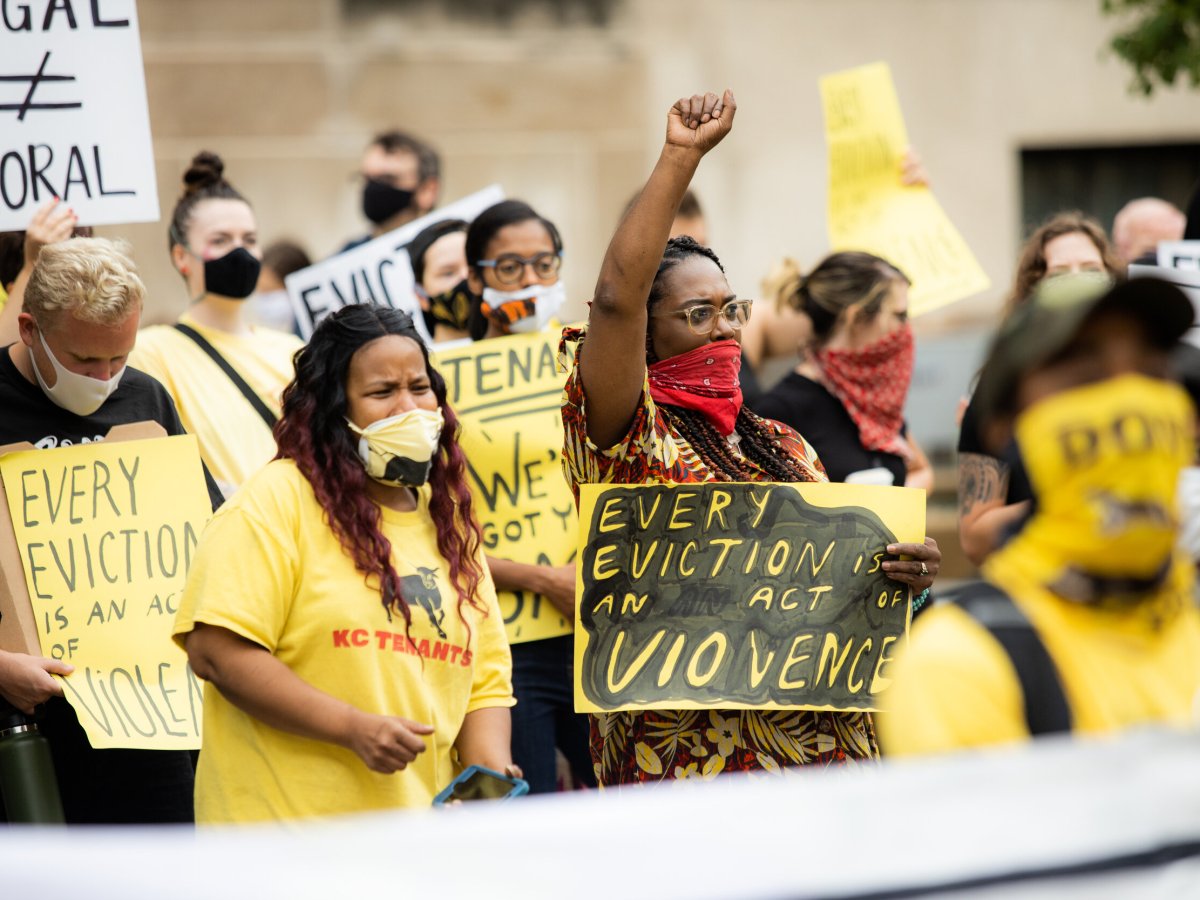
In the midst of a pandemic, tenants face the looming threat of eviction

The end of the Jackson County, Missouri, eviction moratorium in response to COVID-19 has highlighted issues around access to low-income housing in Kansas City, Missouri. Meanwhile, Kansans on the other side of the state line have more protections.

Posted inHealth
Rural Kansas and Missouri face unique challenges with COVID-19

COVID-19 has spread to rural counties in Kansas and Missouri, leading to spikes in cases that weren’t seen in the earliest stages of the pandemic. A combination of factors — population size and distribution, the presence of meatpacking facilities, and COVID-19 outreach programs — is affecting how these areas are responding to the virus. Many high-risk neighborhoods are also more likely to be low-income, immigrant communities, many of whom work in rural Kansas and Missouri meatpacking plants.
Posted inEducation
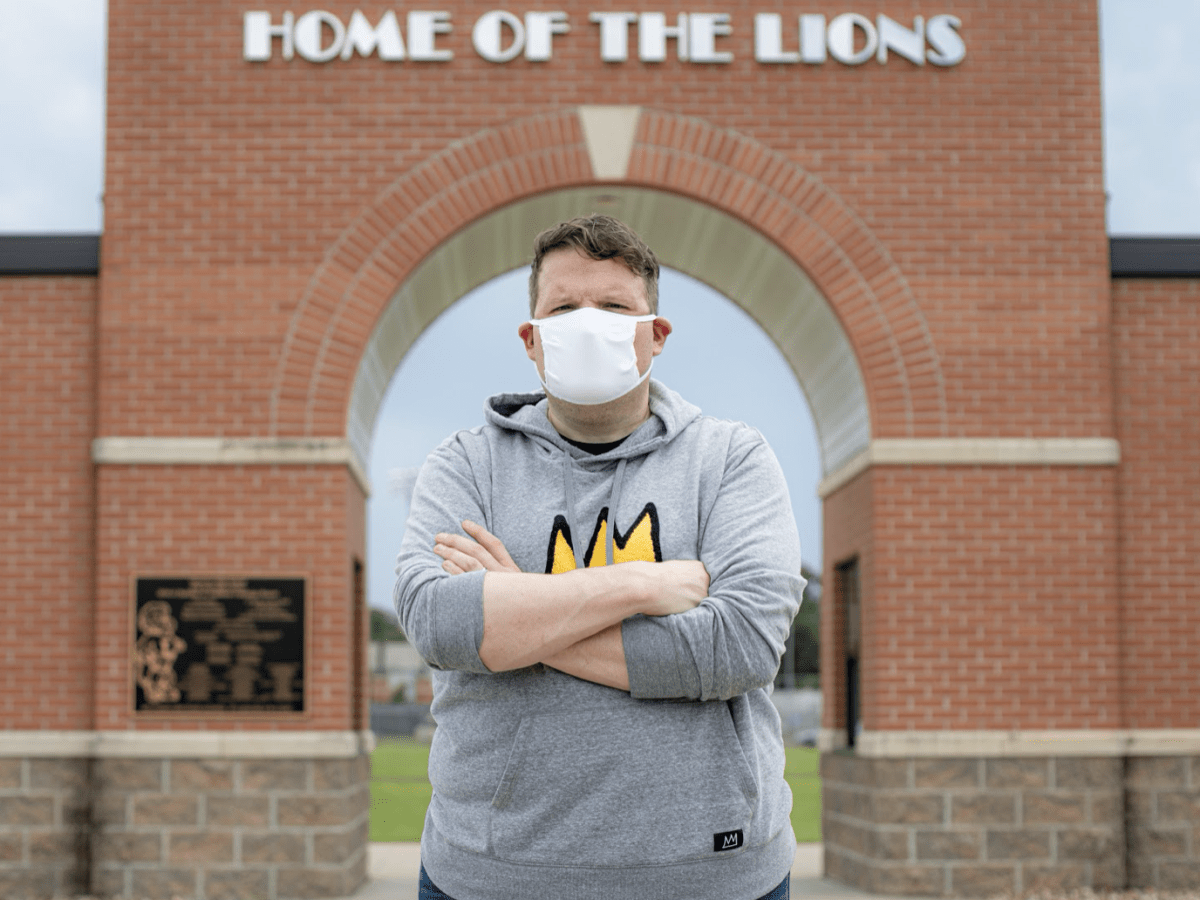
‘Lives on the line’: Kansas and Missouri teachers prepare to go back to school in a pandemic
With COVID-19 cases on the rise, teachers in Kansas and Missouri are left to grapple not only with the safety of their students, but also themselves. Many are scrambling to move lesson plans online. Others are retiring early. Some are preparing their wills.
Posted inCivic Engagement
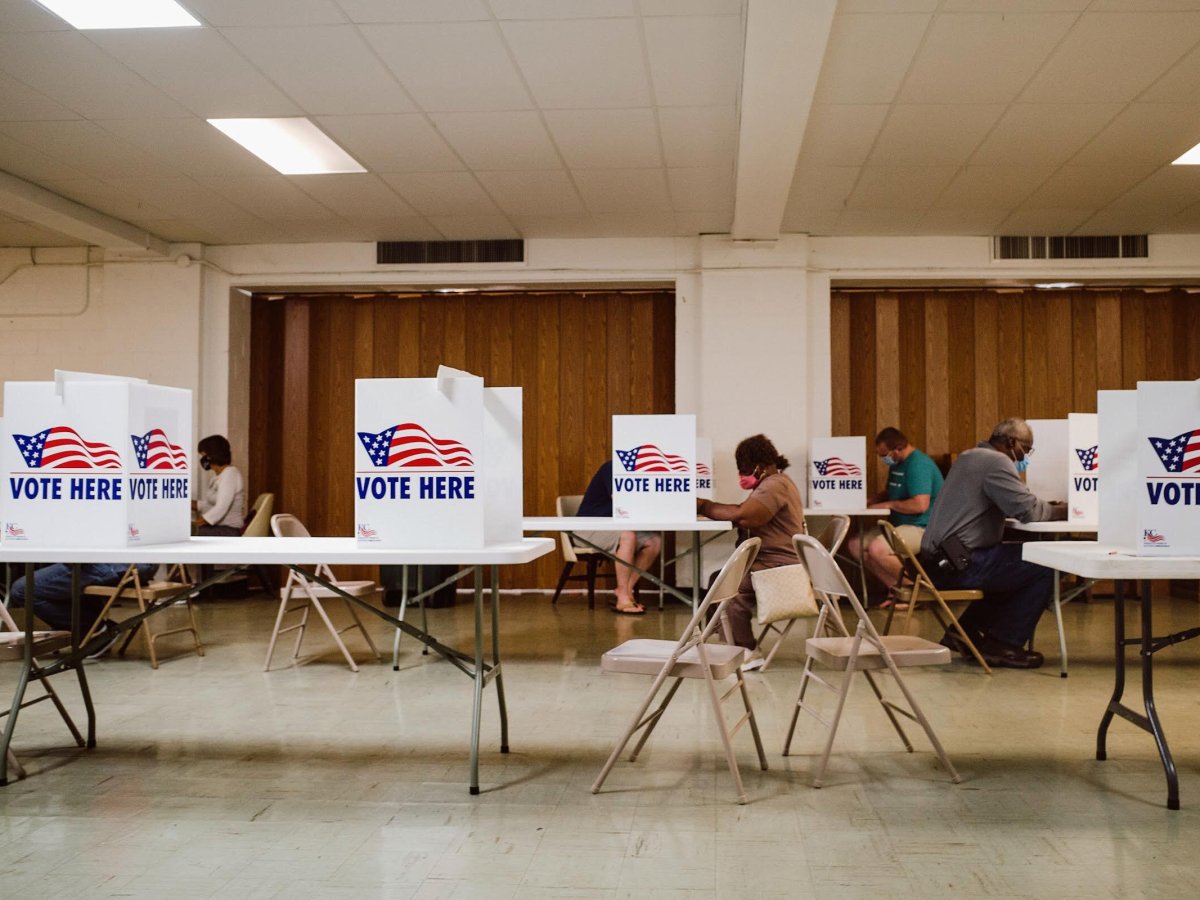
In the midst of a pandemic, Missouri voters say ‘Yes’ to expanding Medicaid
Missouri became the 38th state in the U.S. to expand its Medicaid program earlier this week. But the expansion won’t go into effect until July 2021, potentially leaving thousands without health coverage in the midst of a global health crisis and high unemployment as a result of that crisis.

Posted inCivic Engagement
What justice looks like to Kansas City moms who lost their sons to police violence


Since 2013, 265 people have been shot and killed by law enforcement in Kansas and Missouri — 30 by the Kansas City, Missouri, Police Department alone. Their deaths have left behind mothers, sisters, children, friends and family whose lives have been uprooted by sudden loss.

Posted inEnvironment
Like COVID-19, the burden of air pollution is not evenly shared in Kansas and Missouri
Early research suggests a correlation between positive cases of COVID-19 and deaths in areas with higher levels of air pollution.
Posted inCivic Engagement
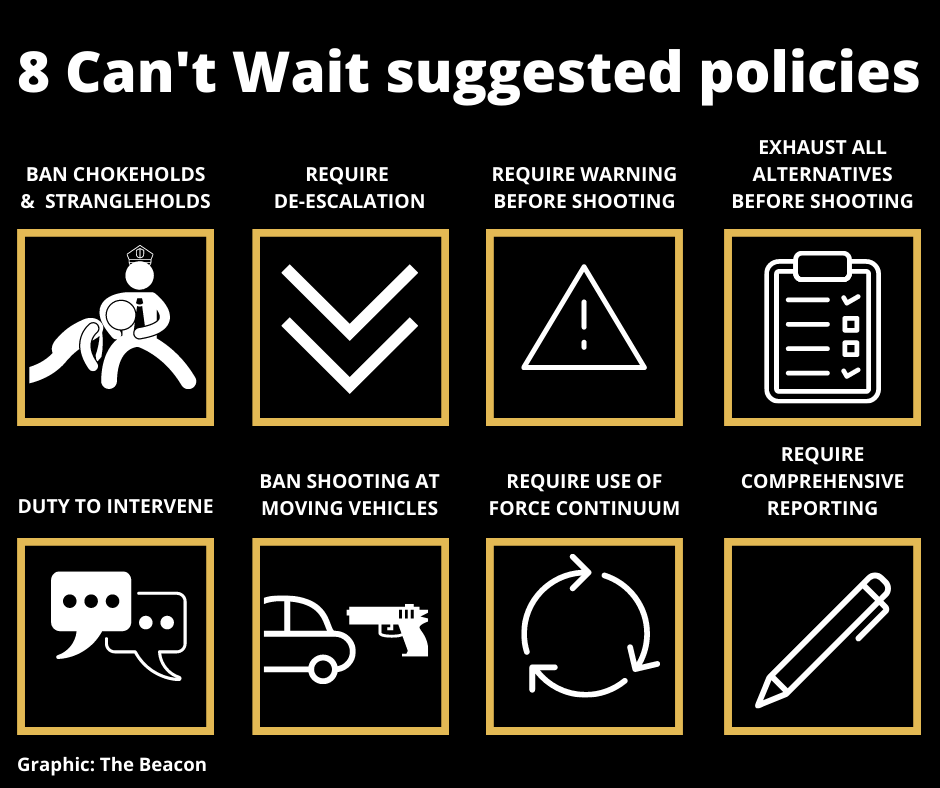
Wide-ranging policies give Kansas and Missouri cops discretion for violence
Policy solutions to stop police killings are gaining more traction in local governments. Launched in early June by the nonprofit police reform group Campaign Zero, a data-backed research platform called 8 Can’t Wait outlines eight specific use-of-force policies to reduce the number of police killings. But local adoption of these policies varies widely, an analysis by The Beacon found.

Posted inHealth
In Kansas City, the Latinx community faces extra challenges with COVID-19
In Kansas, Latinx people contract COVID-19 at a rate 5.7 times that of non-Hispanic residents for cases in which ethnicity was reported — 22.9% of cases are missing ethnicity data. Latinx people accounted for almost half of COVID-19 cases in Wyandotte County, where 29.8% of the population is Latinx, for cases where ethnicity data is known. Latinx people also face greater disparities in accessing testing.