
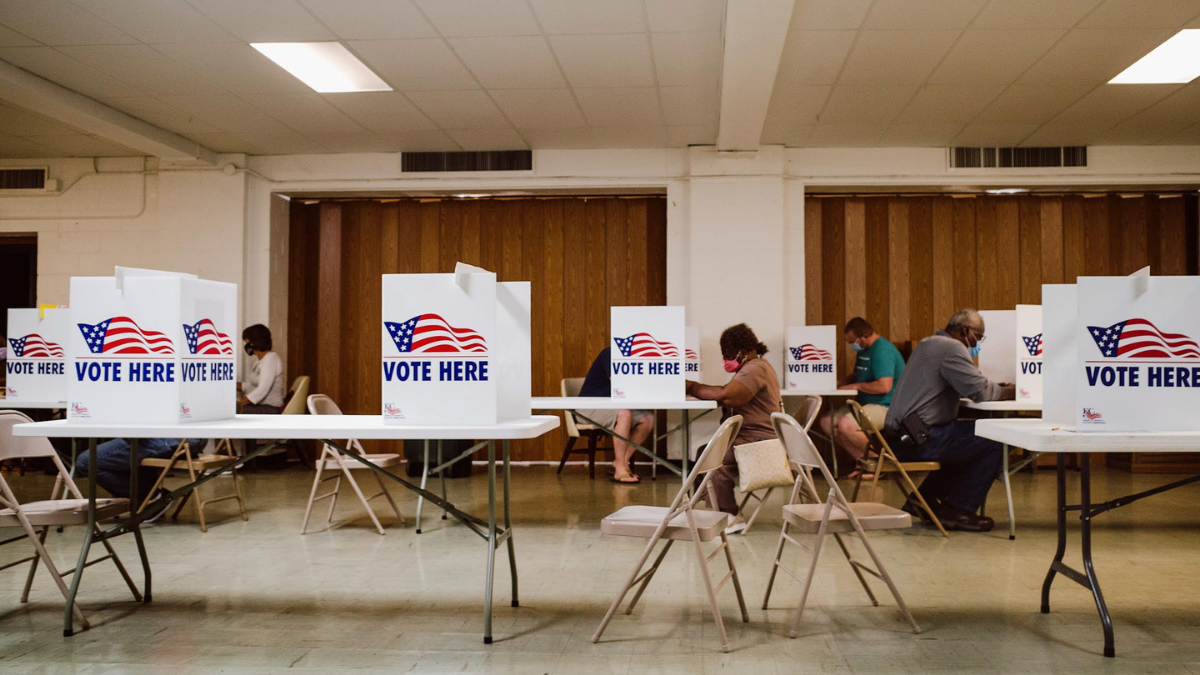


With Election Day just one day away, we know voters still have qusetions about the voting process and how they can make sure their vote will count. On Friday, Oct. 30, The Beacon’s Celisa Calacal was joined by four local voting experts to answer common questions about voting in Missouri and Kansas.
Election Day: Everything you need to know
Posted inCivic Engagement
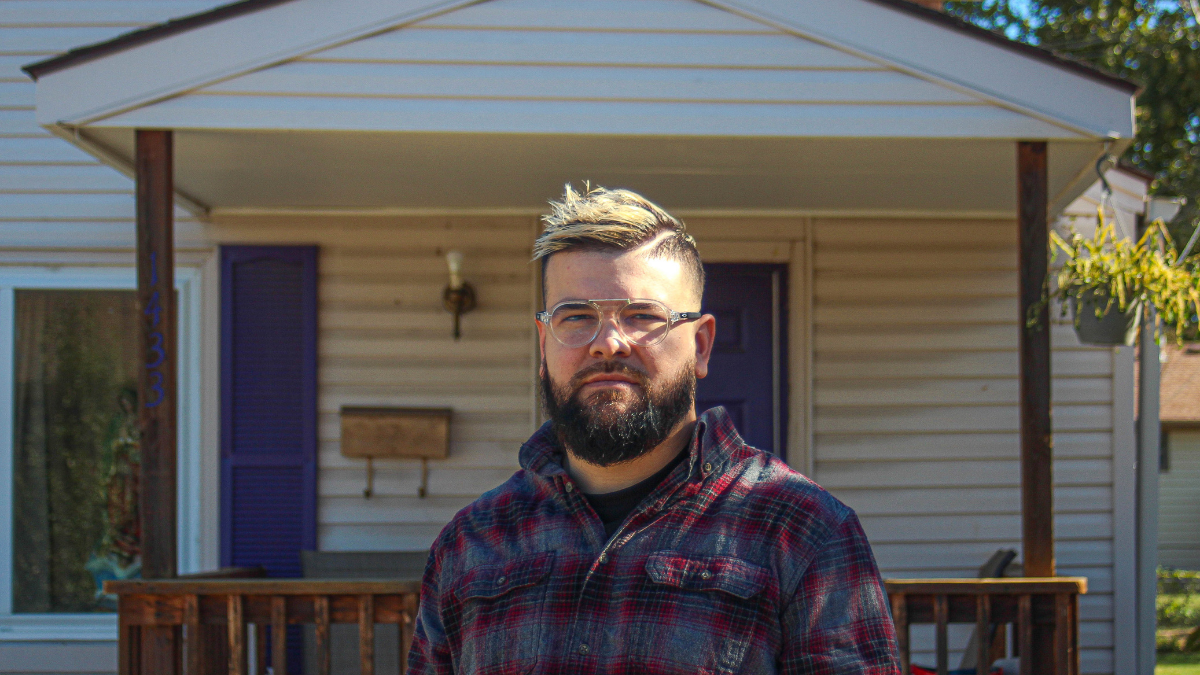
Disenchanted by the major parties, young Kansas voters are more likely to register as independents


Through an analysis of Kansas voter registration data, The Beacon found that unaffiliated voters in Kansas, also known as independents, make up 38% of voters under the age of 40 — the largest portion of any party within that age range.
Posted inCivic Engagement
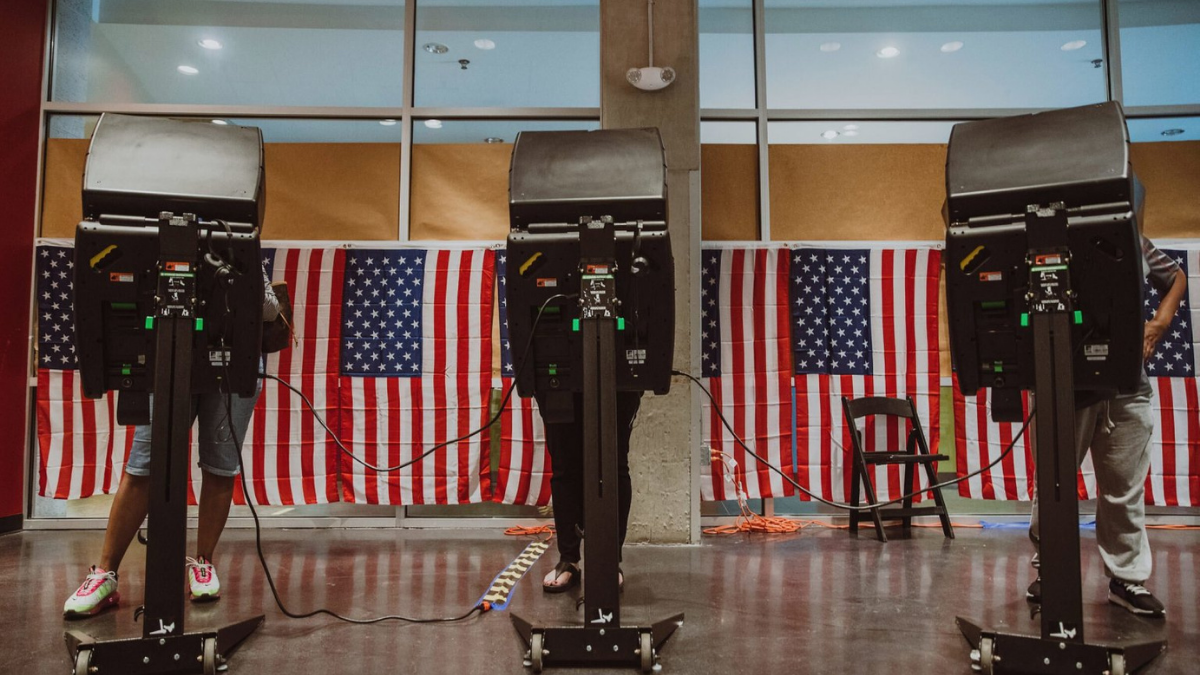
Transportation can be a barrier for some Kansas City voters. Here’s how to get to the polls.

Before the June election this year, the Kansas City Board of Election Commissioners decided to change the locations and reduce the number of in-person polling places. The goal? To have enough election judges available and include larger polling sites for more social distancing.

Posted inCivic Engagement
Safe at home? Missouri law fails to safeguard some abuse survivors who register to vote
The Safe at Home program — especially for registered voters — lacks a basic safeguard provided in many other states, including Kansas: Complete exclusion from public voter data. Furthermore, if a person registered to vote before enrolling in Missouri’s program, their information isn’t scrubbed once they do.

Posted inCivic Engagement
Is a ‘blue wave’ coming for Kansas? Here’s what the data says
In Kansas, the share of registered Democrats grew from about 25% in January 2017 to 27% of registered voters by September 2020, or about 62,000 voters, The Beacon found. In that same period, the Republican share of the electorate remained at about 45%.
Posted inCivic Engagement
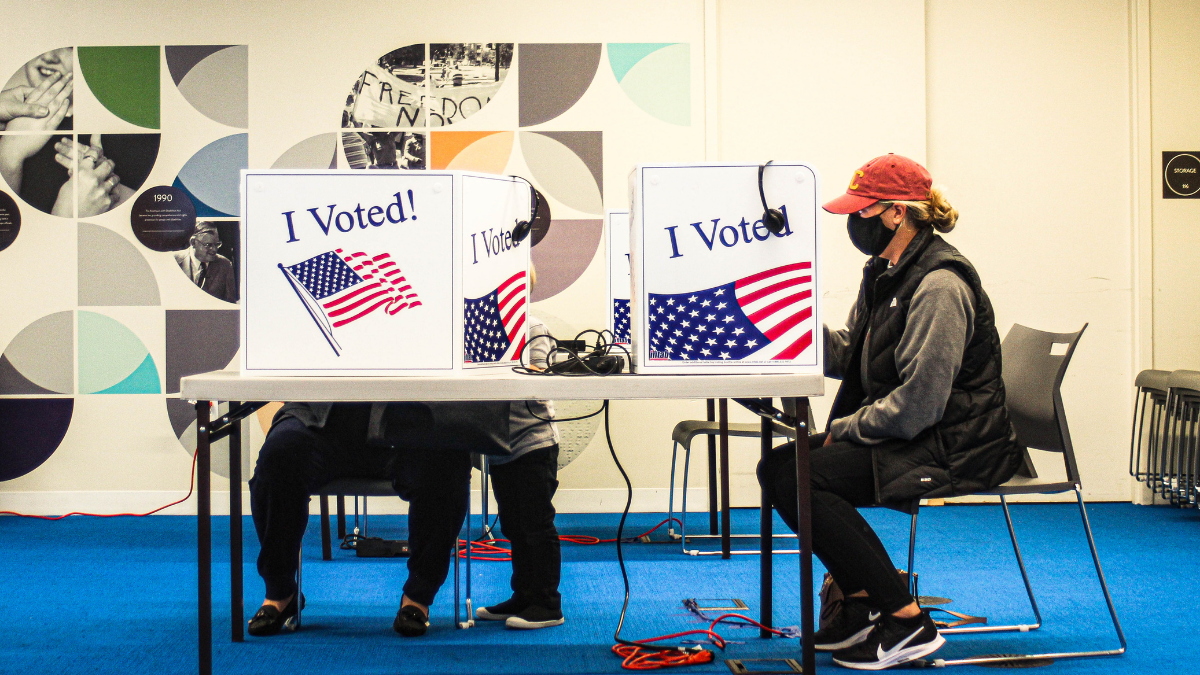
‘It’s either this or nothing’: For people with disabilities in Kansas City, voting isn’t always accessible
When Darla Wilkerson went to absentee vote in person for the upcoming election, she noticed a large sign on the floor in the doorway reminding everyone to socially distance and wear their masks. But the sign was difficult for voters with disabilities, like limited vision, to maneuver around, impeding the accessibility of the polling site. […]

Posted inCivic Engagement
For trans and nonbinary voters, photo ID requirements can discourage participating in elections

In Kansas and Missouri, legal name changes and gender marker alterations can be long, tedious and costly processes, discouraging many trans and nonbinary voters from casting a ballot and barring the most financially disadvantaged from participating in elections altogether.

Posted inCivic Engagement
Young Kansans could prove to be a powerful voting bloc on Election Day

Voter registration among 18- to 24-year-olds is up in many states across the country, according to a report from the Center for Information and Research on Civic Learning and Engagement at Tufts University. This trend runs true in Kansas, where as of the end of September, voter registration among Kansans ages 18-24 was up 28% from November 2016.
Posted inCivic Engagement
Are you an ‘inactive voter’ in Missouri? Here’s what that means.
More than 30,000 registered voters within the Kansas City, Missouri, election jurisdiction are classified as inactive voters — otherwise registered voters who the local election authority was unable to locate or get in contact with before Election Day.
Posted inCivic Engagement
What questions do you have about voting on Election Day?
We know these are tough times — the country is still experiencing the raging COVID-19 pandemic, an economic recession and continuing protests against injustice. And in two weeks, it’ll be Election Day, where millions will cast their votes for president and a slew of other statewide and local races. The lead-up to Election Day has […]