
At long last, the Country Club Plaza may soon start its massive $1.3 billion overhaul, more than two years since its Dallas-based owner made bold promises to reimagine the beloved but beleaguered shopping center with new retailers, new restaurants and more residents.
That’s because the Kansas City Council last week signed off on a tax increment financing plan worth as much as $210 million over 30 years to upgrade aging infrastructure around the Plaza. The road to approving those tax breaks signals a broader reckoning, or at least reconsideration, of how the city doles out certain incentives for big projects.
Though Plaza owner Gillon Property Group isn’t yet saying when to expect major construction — spokeswoman Caroline Gerson said she anticipates announcements in 2027 — the TIF vote was the last major city approval Gillon needed.

After buying the Plaza out of financial default in June 2024, Gillon shared a vision for transforming the tired 103-year-old center into a dynamic destination. But since then, besides bolstered security and a handful of new tenants, the lack of more visible change has left district stakeholders questioning if the big makeover would come to fruition.
It’s possible Gillon could have gotten local tax breaks for the Plaza some time ago if its initial asks had been more modest. Instead, the new owners first came to the bargaining table seeking more lucrative city incentives, which lit a fire under some local officials to push back and secure a more favorable deal for taxpayers.

The Plaza TIF plan was the latest in a series of similarly sweeping incentive packages for major projects that the City Council debated this year, and that some council members have voiced reluctance about.
The officials worried about redirecting taxes that city voters approved at the ballot box to be used for basic public services, such as public safety or earnings tax money. Approving the incentive packages means that instead, those tax dollars will go for decades toward developments like a “Plaza of the Northland” known as Pioneer Crossing, a downtown hotel and the new Royals stadium.

“The question I would ask is not so much the quality of the project. … It’s more of how good or bad the deal is,” Mayor Quinton Lucas said during a June committee. “I think we get ourselves into a tough legislative space if we see it as either-or. Instead, I would ask, how tough is our negotiation?”
But so far, city officials have failed to agree on any consistent guardrails for handling tax breaks for arguably worthy projects going forward.
They’ll face such dilemmas again, and soon, for developments like the Kansas City Current’s CPKC stadium expansion, without a clear roadmap.
Details of the Plaza TIF deal
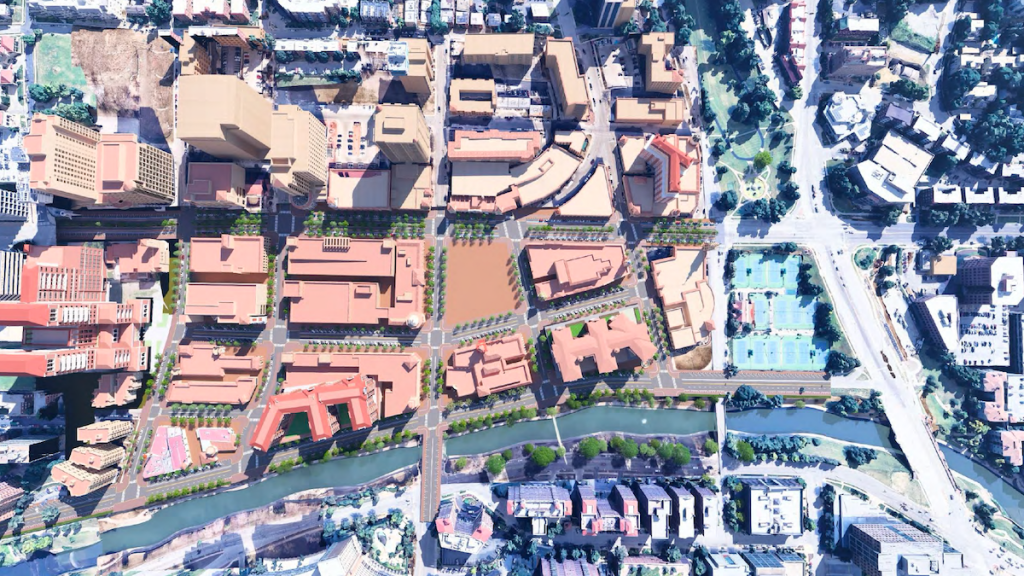
The 47th and Broadway TIF plan draws a boundary around roughly 47 acres in the Plaza area.
Within that boundary, cuts of different sales, utility, restaurant and hotel taxes that exceed the tax revenue that the Plaza generates today will be captured to pay for infrastructure upgrades. Gillon will get up to $110 million over 30 years for private improvements to parking garages, streetscapes, lighting and pedestrian open spaces.
The city, meanwhile, could use up to $100 million to upgrade its own public infrastructure over that same timeframe, including by increasing stormwater system capacity and separating the outdated sewer system to prevent shops from flooding. Together, that would equal a potential maximum of $210 million in infrastructure supported by the Plaza TIF plan. The city currently knows of $30 million in public infrastructure needs, and might or might not spend the remaining $70 million of its allotment if it identifies more.
The Plaza TIF plan differs from more typical arrangements in that it will not capture increases in property taxes. Instead it will pull just from other revenue streams that together are called economic activity taxes.
But that doesn’t mean the Plaza owners aren’t also getting property tax perks. Gillon will benefit from a separate series of 30-year property tax exemptions approved through the Port Authority of Kansas City in August. The Port KC incentives will govern future apartment, office and hotel projects.
The full value of the public benefits for Gillon from both the city and Port KC is unclear from available documents. The $110 million provided for private infrastructure under the TIF plan, plus a previous $149 million estimated by The Beacon for the Port KC tax breaks, would amount to $259 million in total developer benefit.
That’s a sizable local deal, though it’s not the single biggest. The city’s $600 million funding pledge to a new Royals stadium in Crown Center, for example, ranks well ahead.

Going to bat for the Plaza TIF was 6th District Councilman Johnathan Duncan, an outspoken critic of other incentive plans who joked that his advocacy in this case felt “like Bizarro World.”
“When we think about, ‘What is a TIF really supposed to do?,’ this TIF does that,” Duncan said ahead of council’s Nov. 12 approval. “It’s a tax redirection that’s supporting public infrastructure, and it’s public infrastructure that is necessary to support the vertical development and the revitalization of the Plaza, which we all support.”

Giving away more taxes than required?
Normally, TIF plans capture 50% of future economic activity taxes over 23 years. That’s laid out in state law, and the city can’t pick and choose what specific taxes it redirects over those 23 years. Locally, that includes Kansas City’s public safety sales tax and 1% earnings tax, renewed by voters in April 2025 and April 2026, respectively.
However, for the Plaza, the city plans to give even more tax money, tapping an incentive known as “super TIF,” and will voluntarily give up its own taxes for seven years past the 23 years spelled out in state law, for 30 years total.
After the 23 years, it’s entirely up to the city which taxes it forgoes and what portion of those taxes it redirects.
The Plaza plan proposed redirecting 100% of public safety taxes for those extra seven years, which several City Council members said they didn’t know about until right before an originally scheduled vote.
The city is counting on its public safety sales tax dollars to build projects promised to voters, like a permanent municipal jail. But it’s already needing to scale back those projects over a major anticipated shortfall.

City staff said the Plaza TIF will not pull from existing public safety sales taxes budgeted for the jail and other projects. New taxes from the Plaza would not materialize, period, if Gillon’s plan did not happen, they said. But it’s also true that any new public safety tax dollars used on the Plaza, but not strictly needed for Gillon’s plan to be viable, would be lost to the city for other uses.
“It seems like every time I turn around, we are asking for the public safety sales tax to fund something, and we can’t fund what we want to fund right now,” said Councilman Darrell Curls, who represents the 5th District at large, during a committee meeting earlier this month.
Some precedent suggests Gillon started its negotiations by asking for greater incentives than it really needs for its Plaza plan to succeed.
Earlier this year, the Plaza owner clearly demonstrated that its development could move forward with a lower public contribution than its representatives first sought. Kansas City Public Schools, which relies heavily on local property tax revenue, successfully forced negotiations with Gillon over its Port KC tax breaks that, in the end, guaranteed $150 million more for taxing districts like the school district than the original proposal.
Before voting, council members discussed alternate Plaza TIF terms that involved removing the extra seven years of public safety sales tax redirection and making up the difference from other city taxes.
But ultimately, they approved the TIF plan without those changes. Curls and others who raised concerns got on board after Gillon gave more details about how it could use the extra funds. The Plaza owner will be required to spend public safety sales taxes on qualifying public safety items, such as security cameras and a new hub for police.

What about earnings taxes?
While not publicly debating it, officials also negotiated down another piece of the Plaza TIF deal for those extra years: city earnings taxes. Instead of seven extra years, earnings taxes from the retail center will only be redirected for an extra two years after the TIF’s 23-year term.
It’s far from the first time the 1% earnings tax has been a sore spot during incentive discussions.
This spring, the council pushed to reduce earnings tax redirections in one TIF plan — Pioneer Crossing in the Northland — that sought a 30-year agreement similar to the Plaza.

Voters had renewed the earnings tax on people living and working in the city just weeks earlier. The 1% tax is the city’s largest single source of revenue, bringing in roughly $374 million a year. City leaders and civic groups warned of dire budgetary consequences if voters failed to renew the tax five more years.
So the city and Pioneer Crossing’s developer, an affiliate of The Church of Jesus Christ of Latter-day Saints, agreed to changes in May — from 50% of new earnings taxes for 23 years and 100% for seven more years to 50% for 15 years and 25% for five more years. As a result, the city will collect new earnings taxes 10 years sooner from the 472-acre project, planned with more than 1,500 new residences and many commercial uses.

However, in June, council members were surprised to learn they already had made more generous 30-year earnings tax pledges, apparently unwittingly, to a project at Eighth Street and Grand Boulevard, which will convert an empty historic building into a music-themed hotel next to new luxury apartments.
The council agreed to cede 50% of earnings taxes for 23 years and 100% for seven more years. Staff with the city and Economic Development Corp. of Kansas City did not detail those terms before the council approved 800 Grand in December, but said they always were part of the deal.
So, after 800 Grand’s developers came back to update the project in June, Mayor Lucas called the city’s 100% earnings tax giveaway in the project’s later years both “wild” and “real crazy.”
Inconsistent approaches
Lucas said at the time that council members often receive “incredibly asymmetric information” about incentive deals as city staff take the lead hashing out specifics with developers. At the same time, staff face pressure not to let those negotiations keep a deal from coming before council as a policy body, said Morgan Holecek, then the city’s chief of development strategy.
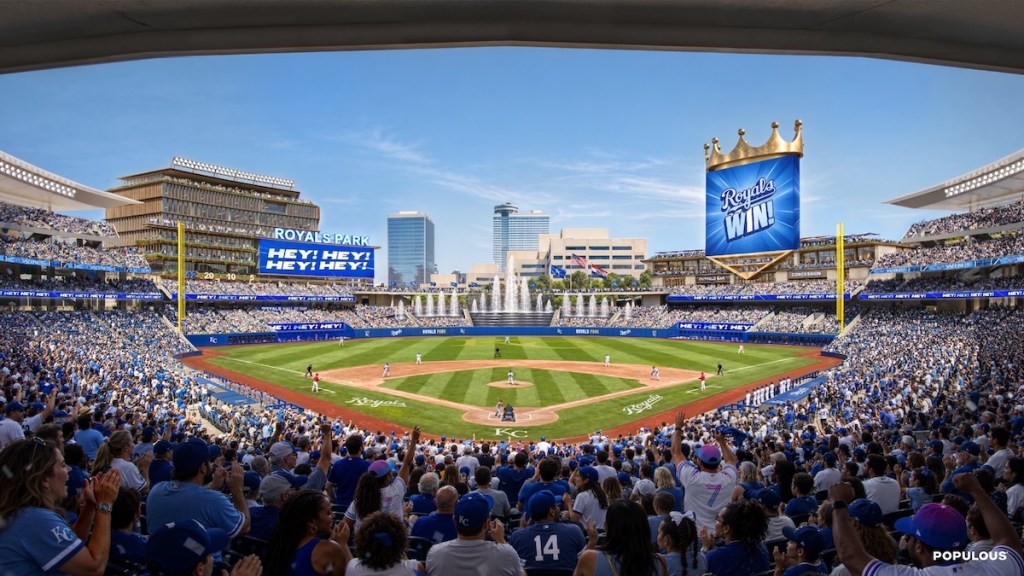
Four months later in October, despite the questions about 800 Grand, Lucas and a council supermajority approved a third TIF plan with an identical 30-year earnings tax pledge for the new Royals stadium without voicing any similar concerns.
All three of those TIF plans also gave extra years of 100% public safety sales tax redirection, but council members did not push back on those grounds before voting to approve them.
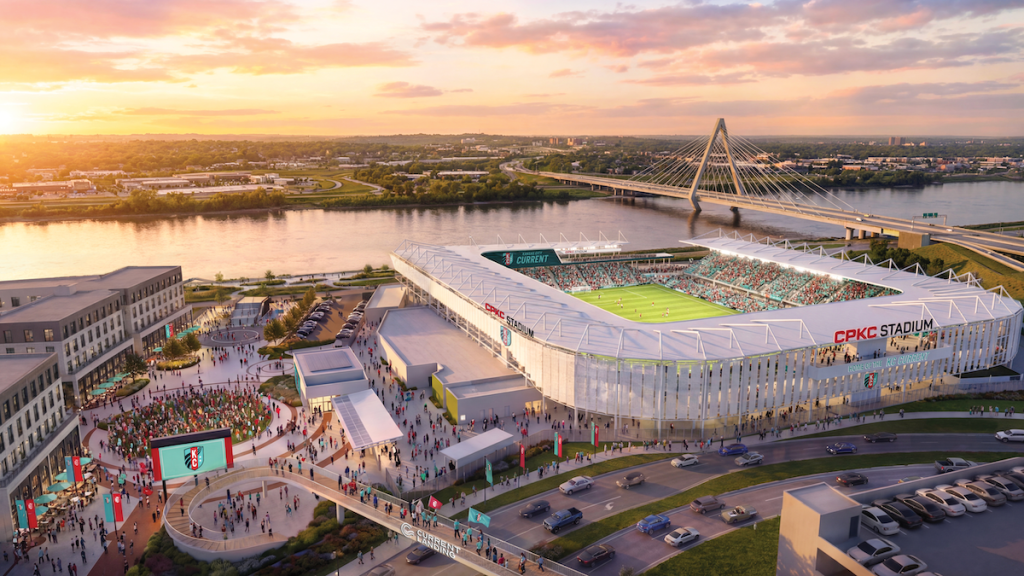
Duncan told The Beacon after the Plaza TIF vote that it’s incumbent upon the council to decide on a clear vision for incentive strategies so it can be a better steward of taxpayer dollars. Their next chance with TIF may be a forthcoming plan to expand the Current’s CPKC Stadium.
“We need to be in the driver’s seat, because right now, we are passive passengers to development and incentive projects,” Duncan said. “They get laid out in front of us, usually pretty fully baked, without any clear indication of ‘why this?’ … It shouldn’t require years of negotiation for us to get to a point where we can agree. If we had a clear (policy), we could all say, ‘These are the terms to do business in Kansas City and to receive public investment.’”
What’s next for the Plaza?
Plaza owner Gillon still has a few more public approvals left before major construction can start. However, those votes are perfunctory in nature, or else not strictly necessary for development.
Port KC still needs to authorize conduit bonds bestowing the property tax breaks it approved.
From there, Gillon also will need final plan approval for any new apartment, office or hotel projects around the historic center. Because the city approved the Plaza’s master plan in May, broadly governing design standards and taller heights for new buildings, the final say over final plans will rest with the City Plan Commission, not the City Council.

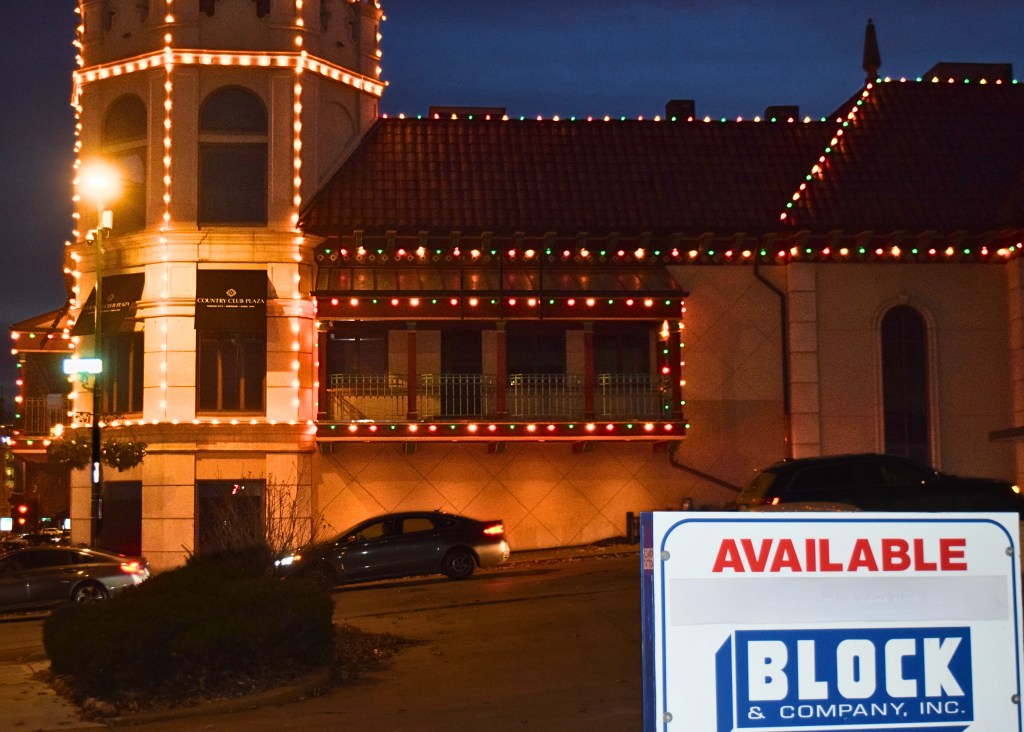
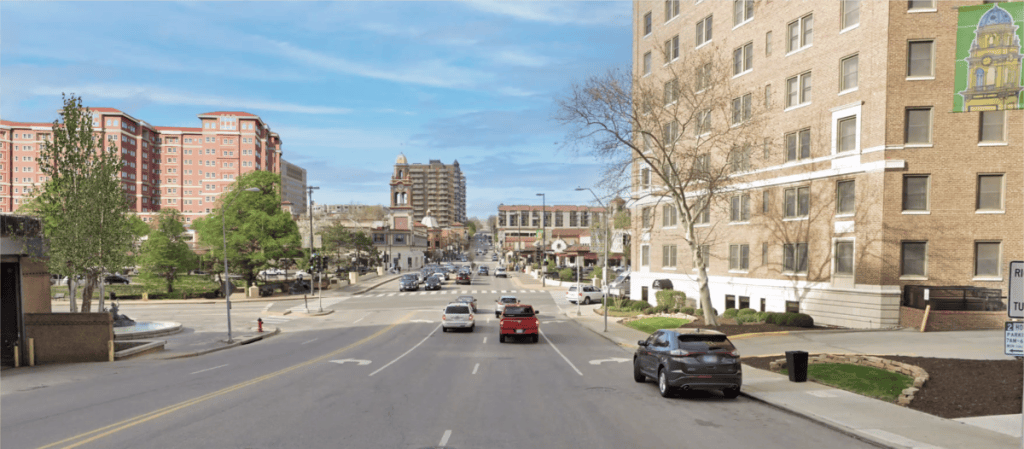
Gillon has said an early commercial project could go on Seville West, the 3-acre dirt lot where old plans for a Nordstrom store collapsed, and, last year, the council allowed a future building up to 275 feet tall. City documents show the Plaza owner is exploring a two-phase plan that would involve 250 apartments and a 150-room hotel, potentially starting as soon as 2027. Gillon also eyes a new shop-lined pedestrian area called “poet’s alley” and a central “plaza on the Plaza.”
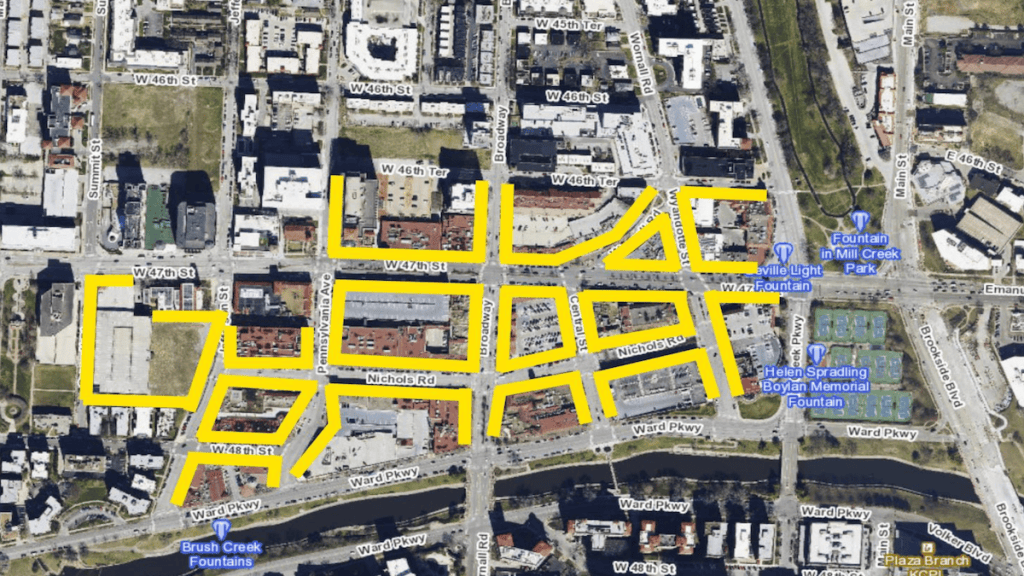
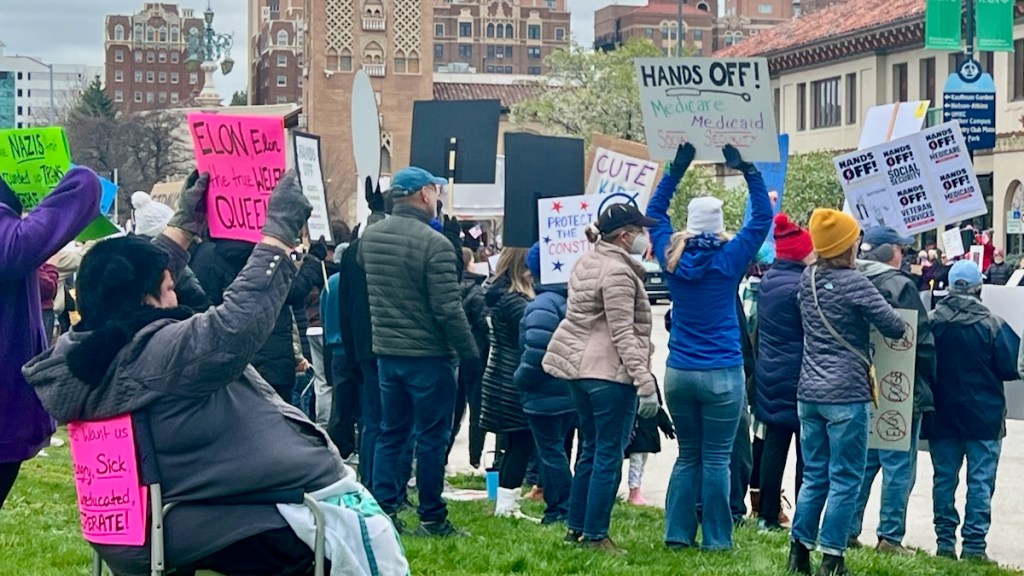
And, since May, Gillon has had a city ordinance pending to privatize public city sidewalks around most Plaza blocks, but it faces an uncertain path forward in light of recent council discussion. Gillon has said it wants to make the sidewalks more inviting with outdoor seating and let private security more quickly respond to disruptions. But several council members are worried that giving up Plaza sidewalks could open the door for Gillon to stifle protest activity in an area with a long history as the site of civic demonstrations like the recent No Kings rallies.
“They can promise all they want that they won’t do that, but we lose the claim to that right if we privatize,” 4th District Councilman Eric Bunch said at a meeting this month. He later called the proposed sidewalk privatization “a solution in search of a problem.”
Beyond the final plans and Port KC bonds, Plaza spokeswoman Gerson said there are no significant outstanding approvals keeping Gillon from advancing its master plan after the city’s TIF vote. She called the public funding a “significant step forward” for the Plaza’s future.
“This milestone reinforces our shared commitment to preserving the Plaza’s historic legacy while positioning it for long-term success,” Gerson said in an email statement.