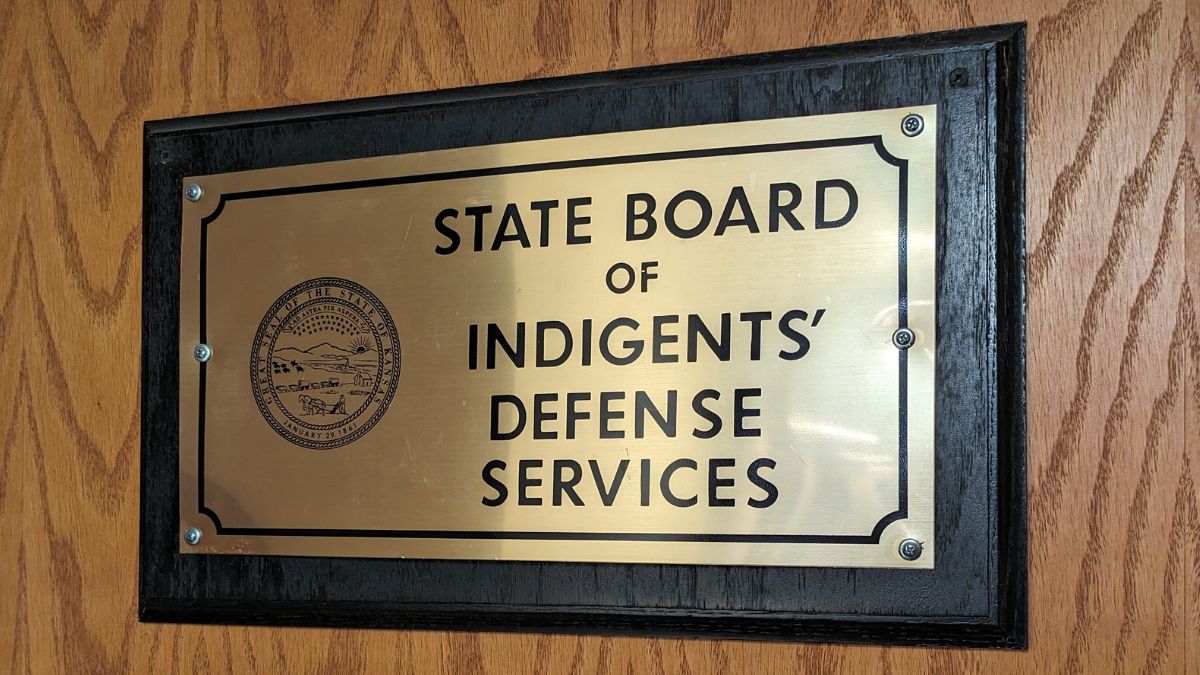
Takeaways:
- Kansas lawmakers gave public defenders raises in recent years, slowing turnover from 20% to 8.6% a year.
- Despite the raises, concerns over pay remain. So, too, do caseload concerns.
- Disparities in pay between public defenders and prosecutors remain. Starting pay for public defenders runs 20% lower than prosecutors in Sedgwick County.
Kansas lawmakers gave public defenders a historic raise in recent years, yet a survey of those attorneys found that their concerns over pay almost doubled.
In 2019, the State Board of Indigents’ Defense Services lost a fourth of its attorneys. In 2022, it lost another fifth.
That led lawmakers to raise wages last year, followed by a drop in turnover rate from 20% to 8.6%.
The raises started two years ago when the Legislature gave public defenders just under $4 million to raise wages. Kansas then raised pay for all state employees by 5% in back-to-back years.
But dissatisfaction with pay remains. A recent survey of public defense employees found that poor pay is the biggest barrier to employee happiness. In 2022, 14% said pay and a lack of promotions were a massive issue. In 2023, that number climbed to 27.7%.

The survey also found that half of respondents said they’ve considered leaving their job in the last 12 months.
In Douglas County, a public defender starts out making $62,500 a year. By comparison, the lowest-paid prosecutor in the county makes $70,616. If that public defender spends decades in the field and eventually becomes the highest-paid public defender in the state, they can make $136,500 a year. The top prosecutor in the county makes $50,000 more than that.
Similar disparities show up in Johnson, Wyandotte and Shawnee counties. In Sedgwick County, starting pay for a public defender is 20% lower than for the county prosecutors, and the top end of pay is 33% lower.
Heather Cessna, executive director of the state public defender office, said her agency worked on the historic pay increase for years. So when it was finally approved, it was based on old numbers that aimed to put them on more equal footing with prosecutors and defense attorneys. But prosecutors’ salaries had risen in the meantime, leaving public defenders a step behind.
“If we continue to fall back further behind those prosecutor salaries,” Cessna said, “it’s just that much easier for prosecutors to offer more competitive salaries and essentially steal some of our public defenders away.”
Agency officials said recruiting is harder because the public defender’s office offers less pay for “doing the same work in the same courtrooms in front of the same judges.”
Cessna is in front of lawmakers again with her budget proposal for next year, hoping to gain ground on prosecutor pay instead of falling further behind.
As the pay chases public defenders to other jobs, the caseloads of the remaining lawyers grow. That, Cessna said, feeds a feedback loop of worsening working conditions and an ongoing exodus.
“The question now is, how do we keep that progress going forward?” she said. “And how long of a timeline is it going to take us to address these issues in a really substantive way?”
The public defense system is requesting another pay raise and more staff. The office estimates it needs 277 more public defenders to adequately meet the need.
The public defender’s office asked for $2.7 million for 25 new positions and a $6.7 million pay adjustment on top of $1.2 million for a merit-pay plan. Democratic Gov. Laura Kelly did not include the added spending in her budget.
That budget is only a recommendation and can be changed. But the chair of the Senate Ways and Means Committee, Goodland Republican Rick Billinger, said he backs the governor’s proposals and noted the state invested in raises for public defenders and that’s successfully brought on more people.
In the House, Rep. Leo Delperdang, a Wichita Republican, was also less interested in increases.
“I’m watching the governor put the brakes on this thing, too,” he said at a Tuesday committee meeting. “At this point, watching the steady increase (in budget requests), I’m having to agree with the governor.”